Iran, Israel & The Coming Chaos – Why Mainstream Media Got It Wrong!
Show Notes & Description
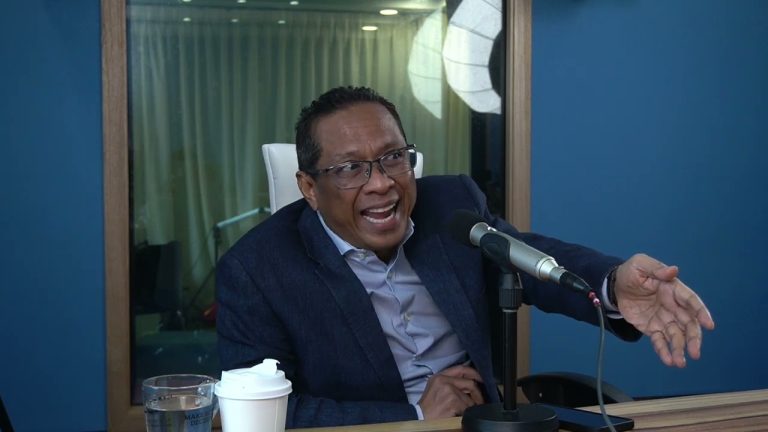
Welcome to The Gut Shot Podcast! I'm Chuang, and alongside Sam, we're here to cut through the noise and deliver an unfiltered, honest look at global affairs.
As a long-time journalist, Chuang, with his "white hair," aims to provide a more neutral perspective, contrasting with an increasingly "agenda-driven" mainstream media, a shift apparent over the last decade due to corporatism.
Sam, a corporate and energy sector veteran, seeks to help you "see beyond what the media narrative is" by offering a deeper, Asian understanding of geopolitics.
Our inaugural episode dives headfirst into geopolitics, revealing why we felt compelled to start this podcast: to dispel misnomers and provide crucial information for better decision-making.
Our discussion quickly became passionate and controversial:
• Global Conflict on the Brink? Chuang expresses deep concern that current global conflicts, from India-Pakistan to Ukraine-Russia and Iran-Israel, eerily resemble the volatile periods leading up to the World Wars, fearing we're "on the verge of something rather larger". Sam, however, offers a contrasting view, suggesting that despite a "24/7 news cycle" heightening awareness, we are "probably at the most peaceful time" in history, with conflicts being "more contained".
• The Iran-Israel Powder Keg: This segment became a heated debate. Chuang finds the escalation "very disconcerting," especially the prospect of America being "coerced" into the conflict, potentially leading to "global escalation". Sam, approaching it from an "unemotional business standpoint," provocatively states: "I love chaos because for me chaos is opportunity."
◦ Sam contends that Israel's actions, including controlling Iranian airspace and "decapitation" of proxies like Hamas and Hezbollah, are part of an "extremely impressive" operation planned for at least five years, leaving Iran "on its own".
◦ While Iran ideologically calls for Israel's "annihilation," Sam passionately argues that many Middle Eastern states like Saudi Arabia and the UAE are modernizing and prioritising commerce over "sectarian wars," evidenced by the Abraham Accords.
◦ A particularly strong and controversial point emerges as Sam suggests Israel's true objective might be "regime change" in Iran, aiming to replace the "theocratic rule state" with a commerce-focused leadership, which he believes could be achieved without direct American ground involvement.
• A Cautionary Tale for Malaysia: The most poignant and passionate moment comes as Sam draws a direct parallel between Iran's situation and Malaysia's risks. He warns that "theocracy can flourish when there's economic disempowerment, when there's inequality." He expresses deep concern for the "precariat" in Malaysia's gig economy and the widening "schism" between "haves and have-nots". He passionately warns against being "scammed by people wrapped in religious garb" who seek "power over you" and to control "what you think," stressing this is the "cautionary tale of Iran".
The Gut Shot Podcast is committed to providing unfiltered, direct, and often controversial truths. We invite you to engage with us, share your thoughts, and even challenge our opinions.
Many thanks to CITYPlus for their collaboration with The Gutshot Podcast, in whose studio this conversation was recorded. CITYPlus is Malaysia's first Chinese business radio station, dedicated to delivering in-depth analysis on local and international current affairs, markets, and businesses.
Jump to chapter 7 chapters
- 0:00 Introduction to The Gut Shot Podcast
- 2:20 Corporate Agendas in Mainstream Media
- 12:19 Iran, Israel, and Global Escalation Risks
- 23:50 Reshaping the Middle East and Iranian Proxies
- 35:49 The Abraham Accords Versus Theocratic Rule
- 43:04 Regime Change in Tehran and Superpower Dynamics
- 56:38 A Cautionary Tale for Malaysia's Precariat
Auto-generated from YouTube captions. Timestamps link to the video.
So, welcome to the Gut Chart podcast. This is the first one in the edition. Uh, my name is Chuang. Um, Sam is here. I'm the journalist person. I'm um been covering markets for a long time and looking at generals generally news in the world in the region for a very long time. Henceforth the white hair. Um Sam is a corporate guy. He's an energy guy, oil and gas services guy. Run a few public listed companies. And the reason why we're looking at geopolitics in general is because um we're quite interested in the developments as to how it concerns us in the region, but also
trying to attempt to dispel some of the misnomers potentially that maybe the mainstream media have covered in an adverse way or in an u agendriven way, shall we say? Right, Sam? Um actually, why do you why have you chosen to do this? And in fact, why are you squinting at me? No, no, I mean I think I think what I find is also um the the the the mainstream media uh way of covering things um tend to have a s a certain narrative that they have that they prefer to have. Um, and what I'd like to bring forward and what I'd like you and I to bring forward to the audience is
actually um to see beyond what the media narrative is to go maybe uh one step below the the surface uh especially whether it is for the domestic audience or for for our regional and international audience that they see it from the point of view of Asians who uh are looking at it with a deeper understanding of how we see the geopolitics and whatever is happening right now. Yeah. So by some definition I used to work for the mainstream media. I worked for um financial publications in Malaysia print. Then I work for global news wires uh both here uh around Asia
and in the UK as well. Uh the Bloombergs and the Reuters of this world. There was never any overt intervention in terms of the way we covered the news but there's always an unspoken um impetus in terms of how we treated the news stories. So I think that um that individualistic uh unilateral uh uh censorship was in some way or form ingrained upon us. Right. So I so when I look at the mainstream media now Sam and I look at how the Financial Times and and and um and the Wall Street Journals are treating you know not just the Ukraine war and Ukraine and and Russia but also how it it treats China
and its its interest and and the portrayal. It doesn't seem to be so neutral anymore. In the 80s and the 90s to me they were the bastions of editorial but now they seem to be very very agendriven which is quite disconcerting for me as a journalist because to me I've always believed that neutrality and independence is very important. I agree with you very much. I find that actually also I think the the shift in the media has become uh very apparent within the last I would say 10 dec uh well I mean the last decade actually within the last decade uh and I think mostly it's because of corporatism
um the the uh from the days of when u journalism were held by say family companies um and uh and and not big global corporate entities, right? The the shift into the uh into corporate uh has actually changed how the media has behaved. It has become actually just another business rather than a passion project uh for the people involved. And also I think um education uh in journalism school also shapes how people how the product comes out and shape the narrative that comes out from the uh from the journalism school into uh corporate media. So that's this these
are the thing whereas whereas talking about our own personal experience right I mean I'm a I'm a corporate guy. I started out as an entrepreneur, a small entrepreneur uh went into partnership with my friends who uh and built up uh public companies in Malaysia uh that operates uh in Southeast Asia uh right up to u uh the Middle East and uh we also have relationships in the the states. So it gives me a global perspective of cultures, how commerce work um and how it interrelates between geopolitics and actually uh domestic and international commerce. So I think all this with what happens uh and
understanding what is going on today is very very important for us to go beyond what people are telling us on the day-to-day basis. And the beauty about this format on YouTube for example because in my generation uh the ability to have a a voice for the mass market was virtually impossible. But now every social media platform allows one to reach the world at large essentially right for essentially free right and one feels uh especially for me as a journalist person right um one feels that if one does not maximize these platforms which are available to us one
is not really doing justice to oneself as a journalist. Number one. Number two, because we see we see news events as as a critical opponent a component of information and information and conversations drive decision-m they drive knowledge. They drive impartiality. They drive behavior. In some sense, one feels that one must go out there and say, "Hey, perhaps this point of view matters slightly differently or slightly more to what the mainstream might have us believe because this would enable us to make to make better decisions for oneself and maybe even one's own family, you know, in some
sense, right? So when I look at the world today at large, right, I'm forced to look beyond where I live and I look at all these pockets of conflict all over the world, right? Whether it's uh India, Pakistan, whether it's Ukraine, Russia, whether it's Iran, Israel, uh whether it's even China, Taiwan, or China, America. It seems to me that we're very very close to the to the late 1930s situation or even the early um uh um 1909 1910 1912 111 era where there was a lot of many pockets of conflict around the world which are threatening threatening to erupt and as we know in
the two world wars they did erupt right and I'm very concerned as a as a personal as a citizen that we seem to be on the verge of something rather larger than what we want because peace is good peace is harmonious Yes. And we're living in an era of abundance now, but I fear that we might really be about to go like that. I I hope I'm wrong. Really, I uh I may have a very opposite view of things. I mean um I agree with you that we are living in the in in an age of abundance. Yeah. Um I also think that actually um the the way the coverage is which is you know 24/7 news
u cycle um has actually highlighted uh conflicts uh in in ways that um um not that they are not serious but has has heightened the the awareness of people of conflicts. Uh but I would say at any time in point in history we are probably at the most peaceful time irrespective of what we see today. Yes. Right. I mean uh in in in the olden days uh every tribe is having a war with one another. Today I mean the the the machinery of war uh can kill more people uh but the conflicts are actually more contained. So, but the the more interesting part or or the more intellectual part of looking
at things is is looking at individual conflicts um and see how they are interconnected and how it impacts the relationship uh from society standpoint, from a national standpoint and from geopolitics standpoint. And even coming back to even ourselves in Malaysia, right? how hopefully I mean I I don't know whether you know our policy makers are listening but uh you know if they could come out from what we discussed uh some ways of looking at policym that is different than what uh that is out there that is uh very much what I call uh the elitist point of view. What
do you mean by that? Well, I find that actually um our society tend to be driven uh by uh uh by uh uh books smart rather than uh really being uh driven by people who actually had gone their got their hands dirty. Um we um we jet around uh to WEF forums um you know to Davos um to to Washington DC to Hong Kong to uh London you know but we are not in touch with what actually is happening on the ground and then when we we take our information uh from the mainstream corporate media that is how we interpreting policies, right? We don't have the sophistication of let's say say what we want to say
about countries like America or China uh or or or even Russia. I mean their intelligence services is just second to none you know um they are embedded in every country right so their leadership knows more beyond what is seen on the newspaper right whereas uh for for people like us who has been on the ground for you a journalist that has been covering on the ground for me a businessman that had to go and and and pedal my wares all over the region, right? And and and and embed ourself into that culture at a level of working. Our understanding of the regions and the conflicts are actually
much sharper in focus than even our policy makers have. That is maybe a a controversial opinion but uh or probably people may think I may be thinking too highly of my experience but uh this is what I see because uh the resultant impact of uh sometimes of the decision making that we make or even the decision making that is made by some of the geopolitical players because for example they don't know Malaysia or they don't care Malaysia about Malaysia at all because we're just too small. Right? So it's just this combination of uh how we we people at the ground see
things and how we interpret them I think will be uh of real value not just for our listeners but also for policy makers. Well, for me at a personal level, the way the way I look at news and information is for me to um be a father, to be a husband and to be a professional and of course my own business as well because otherwise why do we consume news other than get an emotional response. Right. Right. So the way I consume news and the way I filter that news has to be as neutral and as independent as possible so that I can make the best decisions for my family.
Right. And now when I look around the world actually I don't really look at geopolitics generally. I look at financial markets and that because of this podcast and we call it gutshot because we wanted to be a very direct and unfiltered and a very honest look at what's happening from the in the world from we want to hit it we want to hit it on the gut we want to hit it into the liver right the thing is so then so then when I look at what's happening around the world and I did some research on geopolitics I'm trying to update myself right um it's I'm very very disturbed by
the extent to which geopolitics has risen to a temperature which seems almost untenable at this point in time And right now as you speak at this moment in time um in the last few weeks we've had we've had conflicts erupt around uh uh middle middle Asia with between India and Pakistan and now we've got um essentially an escalation of the conflict between Iran and Israel and Iran is no joke. Iran is very wealthy. They've got oil reserves and and they've well traditionally as I understand it they've they've kept away from conflict and they've uh um they've they've
they've dispersed conflict through their proxies shall we say right and then you've got uh Israel on the other side who are trying to establish their position in in that geography and they've come now to this point in time where and this where it matters to us America with whom Malaysia does a lot of business is now being coerced I would say into entering the freight. Nobody wants America to enter any into any conflict. First of all, because they can't afford it and secondly because once you have a global superpower involved it then wretches up wes wretches up not just one maybe two
levels and then it becomes a global escalation. It becomes kinetic which nobody wants. America might be supplying arms to the Israelis that much we know but it has never but it hasn't yet entered the frey. I don't know what you think about this but I find it very disconcerting at this point in time. Um okay before I before I go into that particular specific uh uh regional conflict right um just a point of view that I have about um about all this impacting I look at it from a business standpoint looking at it from a business standpoint I'm very unemotional about it um I have
to look at things from a from from the point of view of what I see without having any emotion so that I can make judgment that impacts how I conduct my businesses. Right? So um I must be ahead of the curve. The whole idea about uh being in business and actually achieving your objectives is that you got to be ahead of the curve. you must know more than what your competitor knows and actually uh be able to exploit the the the the situation. Now, um I used to say this, I love chaos because for me chaos is opportunity, right? That doesn't sound very um uh very empathetic
but as a businessman um that is exactly uh how you uh uh uh take advantage and leverage uh uh opportunities that people do not see. Right? So you must be ahead of the curve when you see chaos. Right? A stable situation doesn't provide growth. So that is where I'm coming from with respect to my how I analyze things. Okay. Okay. And my interest in how how I look at things. So I'm neither pro nor anti- anything. Right. I'm pro uh moneym. All right. You know that's that's fine. That's fine. That's what makes the world go round. Yeah. Yeah. Absolutely. Okay. So um now going into the I mean there's
so there there's there's a few conflicts I know that you know I you mentioned India Pakistan that's been cooled down and has deescalated a lot right and um and it's actually um was not something that was un um unexpected right it was not something that I expected and and the response from India was expected Right. And then when we looked at uh uh Russia Ukraine, we may take that I mean maybe uh at another time or I or we may say something about it later because the at this moment I think I guess talking to you previously I mean your main uh u your main concern is actually the uh
what's happening in the Middle East with Iran. I mean that's a huge country right? Not just in land mass but you are talking about you know what 92 million people in terms of population right with uh you know so many regions and uh probably what 12 tribes uh involved in that particular uh country. So you've got a situation there where actually um a country like China um uh and possibly even Russia, I'm not too sure about that, but I do know something that actually China is uh relies a lot on Iranian oil, right? Um so a conflict where um uh where Iran is completely destabilized I
mean they are already under a lot of uh sanctions right so this is almost coming to what I see um as an endgame um and the question to me is more how is it going to look hike um and um where does the um the uh the involvement of America comes in, right? Um obviously uh for whatever for however you want to you for however you want to uh interpret um uh Israel's action with respect to its first uh motivation to say which is to decimate the nuclear um the nuclear capabilities or possibility of Iran being a nuclear power. Right? Whether you whether you believe that or you
don't, it's going to be irrelevant because they are there. And if you look at the current situation, one thing is very clear. I I don't know whether you agree with me, but uh basically they're roaming the skies in Iran unfettered. Who's there? Um the Israeli Air Force. Okay. Yeah. and their main targets are mainly, you know, I mean, they don't have to to hit all the the ballistic missiles, right? The the Iranian air force is basically uh uh is is already not functioning, right? So the so they are in control of the airspace over Iran. That means that means if you're going to launch what
have they been destroying? They don't have to go after the ballistic missiles. They are basically going after the launchers. So even though the iron dome they have cannot cover everything because you can actually um um uh what do you call uh maximize your protection of your own cities but the end of the day some is going to get through. Okay. So let's reverse a little bit right because for those people who may not have the context of the geopolitics in the region right um one might ask oneself I think quite fairly what exactly is it that Iran wants right and what exactly is it
is Israel doing right um you could say that um why did Israel attack Iran in the first place? Well ostensibly according to the mainstream media it is because Iran is has defied its its uh its promises to the world and actually armed itself from a nuclear perspective. It has it is always said that it is does not have nuclear emissions and does not want to weaponize. But people well at least the Israelis believe that that is not true and they have been weaponizing. And so the Israeli perspective the narrative is that Israel has taken it upon themselves to to try and neutralize
this this nuclear uh um development because it felt it was literally Iran was days away from from being fully nuclearized. Right. And of course Iran is trying to defend itself. And essentially I think from a holistic angle what I understand is that Iran does not want Israel in the region. It believes that obviously from an ideological perspective the Muslims and the Jews they don't get along right and they've always said that the Israel does not have does not deserve it it its place in the region whereas Israel says it does because they say it's the homeland and Jerusalem and so on. Um I
think that's the larger perspective unless there's other dimensions we we're not aware of. Maybe what we should do is actually take take a few step back. Yeah. Right. So that we can put things in perspective. All right. Uh of what is now um and um and u at least even in spite of I I I really don't want to go further back than probably uh a background of you know since the uh Iranian revolution in 1979 right when uh Kuwomani came into power. Yeah. Right. But uh if you look at uh and and and also I don't want to go into a discussion of actually um the Iran Iraq
war, the um uh uh the invasion of Iraq uh from uh the American standpoint. Okay. Because to me actually all those are water under the bridge. those are very much um postc cold war politics right um what I'm interested in or what I think is more relevant for us and our audience is actually um what we are seeing the last decade right I think most important is the motivations why are the players doing what they doing and what are they trying to achieve I think that's the perspective that a lot of people may not realize because they might see the region as a large
homogeneous zone which has been in conflict for the last few decades but it's much much more complex and intricate than that. I think that is the perspective that people need to understand and I think most importantly what it means for us in the region. What it does mean for us from an economy standpoint, from a prices standpoint, from a supply chain standpoint and just from a safety standpoint because we do not want I certainly do not want a global conflict. Yeah. Well, I don't think that there there will come to be a global conflict if you were to ask me. Yeah. So, that's my first um uh
summarized conclusion to your particular statement. Okay. All right. And there's reasons for that. Okay. Um number one I think um one must understand that um that Iran has been uh uh has been quite direct in how it has espouse it it's it is it uh uh its feelings about um uh the legitimacy of Israel being in the region and and and Jews in Israel. Well, they've called it a cancer, right? They they basically call for its uh for its annihilation. Yeah. It's complete rejection, right? Correct. So that being the case, you know, so you are already mortal enemies. Okay. So then
that put that aside. All right. And then you have in the whole middle in the in the Middle Eastern region a whole reshaping of that region. Okay. You've got a reshaping of the region in terms of if you were to ask me today where is the stability coming from. The stability is coming from actually Saudi Arabia, right? The GCC countries which is UAE. Yeah. Uh primarily. Okay. Which I think if you were to ask me um emerging superpowers within the region, right? and then Israel. Okay. So, whilst you may see Israel being uh involved in all these kinetic actions, right? But the kinetic actions
if you were to ask me, it seems like it seems absolutely necessary. And the kinetic action um is related to things to to to proxies which are coming and funded and armed by Iran. Right? When you're talking about the Houthis in Yaman which is threatening the um the the the trading routes of uh of the merchant uh ships that are plying um the the the coast, right? it has to be shut down. Okay. Then you've got u them funding, them funding Hamas and arming them. Okay. So that not just a problem for Israel but also destabilizes the whole region. you're talking about all
this um uh all these proxies of Iran that causes problem in places like Jordan, Lebanon, Syria and even Syria. So what has happened then actually within the last um few years and actually um after the uh the the the the um the action with respect to the what do you call that thing? Um when the uh when they when the Israelis completely decimated uh uh uh uh uh uh right uh recently with the uh not the headphone what what is that thing remote detonators right yeah the the remote detonation on the um see it's so long ago we can't But remember the
technology last name not that long ago. So maybe a couple a few weeks ago essentially. No, no, no. This is about last fall. Okay. Right. Okay. Last fall. So, so I mean so they've taken out all this. Yeah. So basically what they have done is they have taken out um they have taken out the commanders of all this uh uh of this group Hezbollah and Hamas, right? they've taken. So basically Syria is out of the in in just weeks, you know, Assad is out in Russia, right? And Trump is saying, "Okay, to an ex alqaeda guy, come on board, behave yourself and uh you know, we can do
business, right?" So basically what you what what you're seeing is that within the last just two to three years a decapitation of all the proxies of Iraq that destabilizes the region right and where is that funding coming from? that funding is coming from the oil bunny that is funneled out of a sanctioned country right now where you we can argue uh that you know why should America have the power to sanction Iran right but I come from the point of view that if you are finding all this destabilizing factors I sort of agree with America okay so so the thing is um I see this I
try and see this from a helicopter perspective and it seems as if this is all the makings of a good Hollywood movie. Essentially, there's two parties to to this conflict and these parties to the conflict are allies in some way, shape or form, right? So, you got Iran which is essentially using their oil revenue money um to fund its proxies whether it's Hamas or or or the Houthis or the Hezbollah of this world, right? Etc. Basad. Correct. So you've got on one cam the Iranians and these these proxies and then of of course you've got the Iranians ostensibly also funding
Russia with weapons and and aid to fight the Ukraine. Right. So that's and don't forget Russia is supposed to be in support of Iran as well. Correct. So so they are the same team so far. Right. Yes. And then as you point out I think rightly who is buying Iranian oil? Well then China is buying Iranian oil. Right. So that's just one football team there already by itself. Right. Right. And then we know that the breaks is happening, right? The Brazils, the Russians, the India, the China as an alternative to the dollar as a currency and this whole dormization theme, right?
So that's shaping up to be one team. On the other side of the team, you've got the the Israelis who are very close to the Americans and the Americans of course are supporting Ukraine. And then of course behind the um the Americans are the whole NATO war war force, right? Um the Brit the British, the French, the Canadians, the um uh and the whole side. And then of course that's why NATO is coming in to to try and get more territory from the Russia the former Russian uh states and that's of course raised the eye of Vladimir Putin and that's why he's chosen to fight back
with his sworn in Ukraine to try and reinstate the the USSR in some sense. Right? So, you've got two sides to this conflict and they're very they seem to me to to be shaping up along the lines of a global conflict because that's what's happening. And in in any global conflict, there's allies and then there's the other side. Who the bad guys are, I don't know. All I know is that we in Malaysia, we're in the middle of this pissing war, right? Because we supposed to be non-aligned. We're supposed to have no alliances because we cannot afford to, right? We do business with
the whole world. China for the last 15 years has been our biggest trading partner. America has always leaned on us especially in terms of the war the the the waterways whether it's the South China Sea or whether streets of Malaka where 25% of global trade goes through. So do we take sides? I mean obviously to me we say that we're quite far from the action. I disagree because I see that if any in any global conflict, resources are necessary, waterways are necessary, choke points are necessary, and by the way, we're on the actual side of the peninsula, which is right next to the
straits of Malaa. But it was only when I went to Google Maps and I saw in relative size, Israel is like a pimple, you know, and Iran is like this like huge like scar, right? And and if Israel thinks it's got the military might to topple Iran, I I don't think they can. I and I think there's only the a limited number of interceptor missiles from the Iron Dome and the other two or three other defense mechanisms that can withstand um not just missiles from from from Iran, you know, also from the other parts of of the its geography which is selling them from the south, selling
them from the north and selling them from the the east in addition to Iran's missiles. So what I'm trying to say is I Is Israel has been trying to get the Americans to come in and assist a system to over overcome Iran. Nobody wants Trump to to come in. Nobody. At least of all Trump who cannot afford it, I think. Right. But that I think is where we are now. He's we he's already said that he wants two weeks to think about it. I don't know where we stand on this. What do you think? Um I think the situation is um actually a lot simpler than we think it is. Okay. All right.
um you're looking at basically um three powers situation right one is the American sphere second is what is happening with Russia and the third is what is going to happen with respect to China okay those are the only three that matter those are the only three that matters and not just those are the only three that matters each will have its own interest and how it's going to act on it okay what we have seen so far is that irrespective perspective of fact um Iran's uh uh bilateral uh relationships with China and Russia none of none of them are coming to their help
okay so they all staying away from uh the conflict and it's it it it makes absolutely sense for me why that has happened because uh uh Putin has his hands fool with Ukraine, right? And China doesn't want to get involved into uh a Middle East quagmire, especially with the US and Israel involved. Okay now, now we go back to Iran. Right? When you go back to Iran, what you see that has happened with Israel, it's actually extremely impressive as far as I'm concerned. All right? This whole operation does not happen within the last few months. This has must have been in the
planning for at least 5 years if not more. Okay? Because what they they have managed to do is actually as I said before cut off all the proxies that is going to cause any attack on uh Israel when they take this action. So all those proxies are already neutralized and Iran is on its own now within just less than 48 hours they've already controlled the airspace in Iran. The only thing that they have to do really if you look at it in terms of American involvement is actually defensive support which mean which they have carrier units um in the area. All right, to support any attacks.
And the secondly, if you look at actually bunker busters, if you really want to actually go after the nuclear facilities that are underground that is beneath the mountain, you'll probably need a B-52 or, you know, uh uh carrying a a 30,000b,000b because the Israelis don't have that capability. They don't have that capability. Okay. Unless they go with the Jericho. Yeah. Right now. And nobody wants to And nobody wants the Jericho to be flying around in that area. Right. I don't think the Israelis want it either. Okay. So that big but what has happened if you really analyze the situation is
actually um if you are in a boxing match you've you've already actually um in round seven where um your opponent u is ready to be knocked out you know Um I I'm no terrorist, right? But if I'm in the position of Hamas or the Houthis or the to the Hezbollahas, there's always second liners. There's always third liners. Do you think they're going to go away? No. And and and and down arms. No. No. No. Because their motivations for conflict. It's not it's it beyond material. You know, it's ideological. Do you know what I mean, right? I know what you mean. And that is
exactly, if you ask me, there goes the geopolitical issue that we are involved in. and also impacts actually even our whole society, right? Because the ideological problem of having a theocratic uh uh theocratic rule state in Iran, okay, uh goes beyond u uh rational secular um uh political management of a of a of a state. Okay? You have Saudi, you have the uh the GCC's, they are all modernizing. They are all focusing on commerce. They've gotten in bed with the west essentially. Exactly. Yeah. I mean being modern and being westernized is two different thing. Correct. Right. Well,
they they're economically empowered in a big big way right now. In a huge huge way. They're no longer interested in um in in in in going to wars, right? I mean those days when you know um they were they they they they were all bending together and saying okay you know uh we're going to support today I mean even Egypt has got a blockade over Gaza you know and and and here we are talking in Malaysia as if you know I mean why don't you ask yourself this question why are Gaza why are uh Jordan and Egypt having their own blockades, right? Because they are not interested in the u in in all
these uh sectarian wars anymore. Let's be clear here. In the first world war and as well as the second world war, there were many many quite wealthy nations that did not want to enter in any kind of conflict, including the British, including the French, including the Italians, right? But nonetheless, they were all forced into the conflict. And that's what concerns me the most because when you have an ideological ideological rejection of what's happening in your region, specifically the Muslims and the Jews, right? Do you think just by decapitating the head other heads won't form? I don't think
so. I don't think so. That is a more existential the for every day that Israel has its homeland in Jerusalem and in that part of the world, the conflict does not end. To me, it does not end. It has to be some kind of ideological resolution where they have both come to peace with a two-party solution. That to me is the elegant way forward. By decapitating the head, other heads will grow. John, think about this, right? Would you have imagined 10 years ago that you would have um uh uh the Middle East states uh uh joining America in the Abrahamic Accords. Exactly. Right. Unthinkable.
Unthinkable. Right. Correct. Today that is a reality. That's right. Okay. So, hold on a second. Okay. So, what is the solution? Okay. I I think what Okay, so you go first, right? Okay. So what exactly has happened and why this has happened? This has happened because none of those states actually are run on theological basis anymore. They are run on commercial basis. They are running on capitalism. Yeah. Okay. So however, as long as you have theocratic um uh uh leadership in any national entity, okay, that will be a problem for that society because they do not only
produce from their domestic society but also they do export. Well, theocracy has always existed, in fact, flourished when there's been economic insufficiency. So the solution is to empower them with wealth, right? And one way forward, I think this is what some pundits reckon, the way forward is for uh regime change in Iran where if you if you have the leadership that is changed at the very top, its proxies might then change its mind because then what you have is a region in the Middle East which is far more economically empowered, much more integrated into the
global um economic world order and everybody's wealthier and everybody's got food on their table in some sense, right? When you got food at your table, why should you go out and go and fight and possibly die? What's the point? No, not just that. Not just that. You must understand how the proxies work. The proxies work on the basis of actually money. They're not really that ideologically uh uh inept uh what do you call uh uh um um subservient to the Iranian? today. No, because it it's it's just like it's just like the the um you know because because if you as
leadership of a proxy, right, and you don't have any other form of income except coming from your big funer, you know, they need to be economically independent. So, what has been happening is very simple. It was either their existence or you keep getting funding. All right. Or I'm going to wipe you out. So that actually if you ask me, okay, the only thing that concerns as far as u um uh is is more of a smaller scale u terrorist situation because there will be ideological individual sleeper cell situation for example, right? That is of concern. But as far as all these um
smaller proxies, they're gone. They are literally almost I would say wiped out. Now that remains what that remains the one theocratic state that has an ideological um uh bent in terms of not just how they going to project theirself and also how they have been actually controlling their population. Don't forget, yeah, in 2020 and 2021, there was already an uprising in uh Iran, but that was just smashed down by the Iranian uh um revolutionary guard core, the IRGC, right? Military power, just like anything when you are a dictatorship, right? will quash the the the the
aspirations of your people to be like what you just say. People just want to have a good life. Yes. People want to have uh u you know people want to be free. People want to have to be able to make a living. Yes. Right. People want to feed their children. They want to put food on the table and that's it. That that is it. Right. So what is that is what is on offer as an alternative. Now if you ask me if and and I I go back and I said this whole operation that is being carried out by Israel all right they've been planning this for I think at the very least 5 years the whole
thing regional all right and their execution within the last few months has been almost impeccable I mean for you for for them to take out um the the within Iran itself, that means they've got Mossad agents all over the country and they must be Iranians, right? So if you were to ask me and to say, "Hey, what's your gut feeling of what's going to happen?" They don't need America for regime change. They are going after regime change themselves. They're just not saying it. Well, it's icing on the cake if they get the big powers involved, right? But they obviously they think they can't I don't
think Trump wants to get involved. He can't afford it. I mean the US is 37 trillion in debt and then he's got this big beautiful bill which is another 4 trillion. I mean it's it's just not that. It's the it's the MAGA base that his uh election promise is deescalation is not having American boots in wars. Yes. It's withdrawal, not okay. So if you were to ask me um whilst it won't surprise me if they send a B52 and bunker bus uh the nuclear facility, whilst it it won't surprise me. Okay. However, I would probably as a betting man, you may not need to do it if if Israel
has already got their their regime change done because why? The regime that comes in, we'll just dismantle it. So, that is actually, if you were to ask me, that is the deescalation that you're going to see in Iran, right? Because why? If you're going to have the the the the Russians come in, they would have been in already today. If you had wanted the uh if the Chinese were going to get involved, they would have been involved already today. None of that is happening. Instead, what are we seeing? We are seeing Iranian planes, commercial government Iranian planes flying out of Thran to Moscow.
Who do you think they are carrying with their leaders and their families? Because you know 20 plus of their top generals are gone. Yeah. Right. Their nuclear scientists are just being targeted. So I'm not trying to say that I I I don't want to sound like I'm celebrating this, you know, but I'm just giving an uneotional reality check. I think if your if your news sources are right, that suggests that the escalation is in the works and there's a a loss of confidence in their ability. But that by no stretch of imagination does that does that obiate the possibility of another
reescalation in time to come is the phrase is like let's come and let's let's choose our battles. Let's come back and fight another time. Yeah, like let's look at what has happened. Let's look at what has happened within the last uh I mean wi within the last 10 years right the de the the deescalation in the Middle East has already happened as no it has it has it has already happened but there are still there are still factions within the area that do not agree with what's going on right who's funding it well yes so if if Iran's um it's coming through the Iranian oil yes and right So, so if so
if you ask me if you ask me does it really be I mean if you were to ask me was it really because of the nuclear u the the nuc uh the the threat the nuclear threat? No, it's not. That's just a pretext for the for for the for the military action. So who's who's really um whose motivations are behind that? It's it's a motivation of Israel to ensure its survival. That's one thing. Yeah, that's definitely one of objective and it is an objective because if if the regime keep on keep on funding all this. So here's another spanner right Sam? Yeah. What happens if another objective is
basically um um a de a destabilization of the um of the Americans and their allies by for example the Chinese or the Russians because they want a different world order, right? Do you think that's out of the possibility realm of possibility? No, I don't think so. Right. I I think I think what they may not want to enter conflict, but they might do it strategically and you know China, they're very long-term thinkers like you know they they've got 50 year plans, 100 year plans. this could potentially be one which just like let's experiment with this and see how it
goes. I think what what what what people don't see in China is actually the positive thing about China is as you say they are long-term uh uh a long chess players chess players right and for China to go and and that is exactly why I don't see any way they're going to come into this they may not enter the conflict but they're setting they're sewing seeds of discontent to destabilize their enemies they don't need that you don't think so no because For me, if I were to understand the Chinese culture and how they uh and even how the CCP has evolved, all right, what
they are interested in. If you ask me today what is the what is China? China is a communist capitalist country. So their main objective is actually making money. They want economic superpower. But you preface this whole discussion by profiting from chaos. Right. Yeah. Constructive destru discussion destruction. Right. Correct. So if I'm a superpower and I can destabilize markets and then come in with my assets, right? Which they've done very subtly the last 23 2015. Yeah. But how did they do? Economic economic colonialism, right? So exactly. Do they need to go to war? No, they don't. So So
basically when there's been destruction and there there's a rebuilding effort, guess who's there? I'm not saying I'm not saying that it's happening. I'm just saying this is a possibility. I'm I'm I'm your hypothesis. I'm just being a a complete hypothetical chess player. Exactly. It's not real chess. This like hypothetical chess, right? The the only concern I have about about Chinese um uh uh military uh um u uh military motivation is Taiwan. Okay. But even that actually I don't know. I mean I mean knowing uh or or or learning what I'm trying to learn about
uh Chinese politics, right? There are many factions in the CCP. Okay. Um and u and we may not see the end of what is the objective at the end of the day with respect to Taiwan because at the end of the day what they are more interested in is actually commercial domination and their commercial domination what they have done is I know we're running a bit so I I this is a topic by itself. Absolutely. Okay. Absolutely. But I mean to quickly wrap it up, what I see with China is actually uh they have gone on um on a massive uh building up of capacity for their production of almost
everything. Right? So now the question I only have with respect to China on that standpoint is can that be sustainable? Okay. Okay. So, I think this is an ongoing discussion and I think we've um we've covered a lot of things here today, Sam. Right. Yeah. Um I think maybe it's it's time for us to just basically just have a look at just go up to the helicopter perspective, go up to 30,000 ft and understand I mean just between you and me as well as for the wider world at large, right? What is it that we're trying to do with the Gutshot podcast, right? We're trying to we're
trying to offer some kind of alternative viewpoint about geopolitics and what's happening in the world, right? I think but also more more importantly what does it mean what are we trying to do here what are we trying to do what I'm try what what I think for for us uh is that I mean just to look at what is happening now for example take for example what we were talking about Iran right people are talking about um oh you know um you've got a a a Muslim uh Jewish fight yeah Right. You've got it's an ideological fight. It becomes an ide ideological fight. Some is framing it as a as a as a Muslim
versus Jew fight. Some is framing as as another superpower uh hedgeimonyy coming out from the from the Americans, you know, supporting um um uh Israel, right? um you're looking at possibly um uh uh uh even like like what your concern is an escalation into uh into a conflict to enforce a new world order to enforce into a new world order and a new currency and so on and so forth. Correct. Correct. So um so we want to we want to unpack all this. So do we talk to people? Do can people talk to us? I think we should. Right. Yeah, I I think I like that. Yeah, that's
exactly it. What we would like. So, we got to open the channels for people ask us, right? Right. And we also going to invite other people to come and talk on the on the platform because the more conversations that occur Yeah. the more clarity that ostensibly can happen. Yeah. Not just that, I think we also can have our opinions challenged. Yeah. Yeah. So, you think Sam is full of If you think I'm full of Yeah. come and call us up. Exactly. Put it in the comments. Yeah. Right. Yeah. Uh we'll probably have an email started out and we'll put it in there and you can send
us an email. We're going to do live streams. We're going to do live stream. I think this is the first time we we we trying to we it's it's a lot to unpack on the whole issue. But what we've already done is actually we've already said we we we've already said look look guys this is a much clearer picture in terms of if you look at it from a point of view of achieving Middle East stability. Right. If you look at it from the point of view of actually then um uh a stability where you don't have an ideological regime trying to fund destabilizing influences in the region but bringing back in the
people of Iran which are actually quite a long culture. Bro, I've got I've got friends who actually motorbike through the region and it's their culture to actually invite strangers into their house and feed them. Yeah. I mean, that's the culture, you know. Yeah. At its core in in the villages in the desert in Iran. I've had friends who have actually motorbike through Iran and they've talked about how when they go through a village, they are not allowed to leave the village until they're fed and they stay a night in in the village. And it was an advanced culture, by the
Yes, of of course it was it was it was an enlightened civilization in the past. And and what happens and here's the lesson for us especially in Malaysia hijack right because when theocracy hijacks democracy or theocracy hijacks revolution that is what you get right so if there is any um is the operative date right correct if there is any and when he came in he was like oh yeah this is you know we are going to free the people and yet what happened? No, the opposite happened. The opposite happened. Uh economic disempowerment actually essentially. Yeah. Yeah. Loss of assets,
loss of livelihoods, loss of and and and and why did the people revolt? And why then when the people revolt what happens? They just get crushed. Right? So there is no democracy. Not that I'm going to say that to be honest with you. If you've got um if you've got a good leadership, okay, even a semi-democracy is acceptable, right? I mean, Lie Kuanu did a great thing with Singapore. Democracy after a fashion, correct? You know what I mean? At least the look and feel, but it was not democracy. at at the end of the day, you want to make sure that actually if if if
you see this situation from the point of view that what I'm looking at from a financial standpoint, yeah, okay, the economics is going to be a lot better for the region. Okay. U that means you're going to see a freeing of Iranian oil into the market. Yeah. That's a good thing. That's a good thing. Okay. That means um um that means you know I mean of course we are seeing because of the conflict the the the oil prices going up. Yeah. But the oil prices if within the next two years there's a stabilization you're going to see you you're going to see another source of uh of energy
right. Yeah. The world needs more oil than ever before and you you're going to have 92 million people freed to actually practice commerce the way they should be. Okay, Sam, let's wrap with this, right, if possible. Right. Right. Um, you talk about the you talk about the frailties of a theocratic regime, right, with Iran. Let's end with this, right? Do you see the possibility of well, do you see the risk of that happening in our little old country? Yes, I do. The the commonalities, shall we say, right? Yes. So, so what's the lesson here? The lesson here is that don't get scammed
uh by people wrapped in religious garb you know because they are interested in power over you. What their interest is actually to control what you think not just what you do but what you think. And when you get that, and this is part of the problem with our education system, our education system is making our people compliant to people in gs when they don't even cannot even pass form three exams. Okay. I don't I don't know how you make it relatable, bro. I don't understand. I don't understand. But you know we are an inching towards a problem because I in spite of it all I do sit I do sit with
uh pony uh I mean I I go around I sit with people who make burgers uh grab uh grab drivers food panda people you know when I go uh to my favorite barbecue restaurants I then they they're having a hard time um making a living. Yeah. And theocracy can flourish when there's uh economic disempowerment when there's inequality inequality. It's going to be even more actually even here's the funny thing that actually is going to happen if you ask me because these guys all right we go we today they are already having a problem. Okay, rich guys. I mean this this mass of people that is currently
running our gig economy. Okay, they have no career advancement. Okay. Well, professors uh academics like professor guy standing of so in London uh he talks about how this new class this new cohort of social uh um regime called the precariat um precarious they're in a precarious situation. They're one accidents one bad decision one illness away from you know becoming one of disenfranchised and that band is getting bigger. Well, just wait for the next generation or the two generation that these people will produce that's going to need jobs that's not going to be there because of the
robots. Not just because of the robot. Even without the robots, with even without the AI, okay, even without the AI, we're already going to have a problem. And yet from a governmental policies what our government are talking about is taxing the people further. So which which they cannot afford which it just tells me one thing our treasury is depleted. Okay. So you are going to tax your people further who are actually and you're telling the people basically you're saying I'm going to tax the rich but no no no no every taxation that you put trickles down as well. Okay. So you
are putting everybody into worse situation. The middle class is going to come down. You're going to get less middle class. the gig economy people which is in the low mid the uh in the in the lower class in the B40 is going to get further down. So what you are fermenting is actually a schism between the people who are working their ass off the halves and the have nots. Okay. The halves and then a class of people who you have been providing this clergy like occupations that actually these guys in the gig economy has already looked at them like a bunch of fools. People don't realize
this. You know, the Malay kids, that are doing all these gig jobs, right, are looking at these people like a bunch of fools and just grifting of them. Some of them some are taken by it. But then later they find out I'm giving my hard-earned money to all these people and I getting nothing in return. My kid at home are not getting food. This is what has been happening here. And that is the cautionary tale of Iran. Yeah. Right. And let's not let history repeat itself. Yes. and in Iran. Whatever you want to say about it, I know that my uh that uh my my my u the
emotional part of our population sees it as a as a battle between um uh superpower and um the the oppressed regime of uh uh the oppressed Iranians. No, it's not. It's a battle between it's it's really you have a regime that is oppressing its people. Okay. And a superpower that is saying to itself, hey, by the way, Israel is a superpower in that region. Oh, it's got a lot of energy. I think the world's number four in terms of reserves, right? Right. Yeah. Oil reserves. So it's it's saying I'm going to protect myself from this ideological nuts. Okay. and the people of Iran and what
they doing. In fact, they are already doing the propaganda uh uh to the Iranian people already today, you know, and that's why they are doing targeted uh military strikes because they don't because they want the Iranian people to actually be doing the regime change for them. So now whether they are successful or not, we don't know. we whether it's going to take two to three years of stabilization or even longer we do not know but actually the end game I think if it this is a Marvel issue Marvel movie I definitely is seeing you know uh the endgame well whether or not it's the endgame or
whether it's the mid game or the early salvos we don't know Sam I mean I think this thing I think it be okay so what I'm saying this is going to be mention that what we're going to try and do with the Gutshot Gutshot podcast is to keep looking at this in the same unfettered uh unfiltered way. Yeah. Henceforth the reason why it's called gutshot because we're going to try and be as direct as possible. Yeah. Right. And to be as ungendad driven as possible. I think that's the key thing. Yeah. Not driven by some lobby or some economic power. It's just two guys that just want to see
the world in a better place. That's all. One business guy and one news guy. That's it. Simple. Right. Y. Right. So um well you know I think this is just the first one but there are many more right um time to come we'll be talking to you'll be talking to us we'll be talking to other people and um I hope you find this useful. Yeah, thank you very much to everyone and thanks a lot.