Ep Ep 44: Gutshot Re-union – Catching up with Chuang Hsu Khoo. What We Have Learned, My Friend?
Show Notes & Description
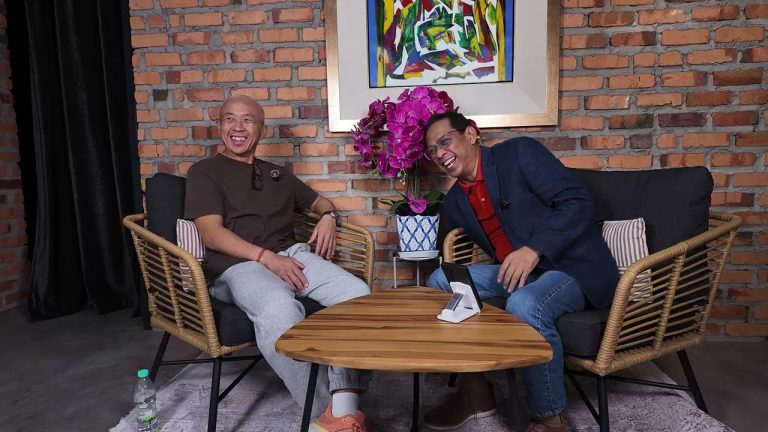
Come and join me with Chuang (DoMore Podcast) for insights into what we have experienced together since we started GutShot and where we are. This is a light-hearted but insighful thoughts we want to share with our audience. Kick off your shoes and dance the blues.
Jump to chapter 8 chapters
- 0:00 Gutshot Reunion: Podcasting and Life Lessons
- 4:28 Mainstream Media Bias and Alternative Podcasts
- 21:20 AI Disruption, Longevity, and Diet Shifts
- 34:52 Forging an Authentic Malaysian Identity
- 41:56 Evaluating Political Leadership: Mahathir to Trump
- 49:09 Global Energy Realities and Subsidies
- 57:31 Escaping the Middle-Income Trap and Corruption
- 1:05:08 Dismantling GLCs, Tax Cuts, and Integrity
Auto-generated from YouTube captions. Timestamps link to the video.
Hello everyone. We are back at Gutshot. Today, interestingly enough, we have got to have uh we are on a get together session to with myself and our old partner Chuang. All right, man. How are you? How are you, my friend?
Happy New Year. So, we've been planning this uh uh for about a month or so uh that we got to catch up. Yeah. And see and and what are we doing and all that sort of thing. How has our experience been? So, you've been doing your do more.
Yeah. Yeah. Uh podcast and um all your other work. Yeah. How are things, buddy? Oh, last year was a big year for me. It didn't, you know, I'm not the kind of guy who does resolutions, you know, cuz they tend to not get kept, right?
Okay. But, um last year turned out to be quite a big year. I started gut with you and then through pure circumstance couldn't happen. Even do more itself is so much work and you run a podcast now. You know how much work is involved, right?
Yes. Oh, it's gargantuan, man. And then I sold my house. I sold my car. I did house cleaning on my friendships and relationships. That's interesting. Yeah. Um, you know, people who drain your energy, they're no good for you. Um,
and then so you you get rid of toxicities. Yeah. And then you want to surround yourself with quality people and and just have like um a refined simple life. And you know, you know, because as we get older, we we we try and like seek out um meaning and simplicity and you know, you try and break things down and you don't be kind of like wasting time and and inefficiencies and friction like you know,
you get very philosophical. Well, especially after the trip in India. Uh no, no, no. I've always been like that. But then when I went to India, I rode motorcycles and all that.
Yeah. So, it turned out to be quite a big year, you know. Okay. Okay. So, what what what do you think uh you're going to be going? I mean, how how do you think it's going uh in terms of what what's your target? Like, how do you
I don't have a target. I never have targets one, you know? I think my target now like um is just to have like um it's to treasure every moment, you know. Each day I wake up is like a blessing. Be grateful. No, no, seriously. Seriously,
guys, I'm looking at you all. I'm looking at my friend here. You know, it's like no, you know, when I when I when we first met, right, a couple years ago, right, and then and then like last year, then I did this LinkedIn post
and then I had a photo of you and me in City Plus, and then I said to my in my LinkedIn post, I said, "Look, if we had met in form five, I'm sure, man. I'm sure we would have been good friends. I'm sure." And then you and I would have done all kinds of together. Sure.
You know, we would have got in trouble, gone drinking, or don't know what nonsense, vandalizing, don't know you know. Sure. I think if I have I think if I have met this guy um in college
but we would have done well in school. We would have done well in school I think. Yeah. Yeah. We'll probably be out of our minds. This is the fellow who got me into podcasting. Let's put it that way.
You belong in the broadcast world, bro. Oh god. You do. You do. It's a lot of work, man. It's a lot of work. Yeah. People don't realize how much hard work it is. Yeah. And preparation. So, your numbers are up. I saw your subscribers are up. Your your last one is you did 6,400 views. That's a lot.
I want um uh and on on that note guys, you know, please support the podcast, you know, that short subscribe so that you know every time the episode comes uh you will hear different things. I we wanted to start out right remember
we said we want to have conversation that are uh unlike anywhere else uh in our space in Malaysia especially right and even talking about not just domestic issue but also uh uh what do you call uh the uh geopolitics
what the world means and stuff. Yeah. Because I think the mainstream media narratives that we see and we read every day is just a lot of uh what do you call uh bias and um and very clickbaity in terms of how they want to stir emotions.
Yeah. I want to get through all that clutter. Yeah. Yeah. not just geopolitics but for the domestic uh issues. I wanted to have conversation that that we don't have
conversations that actually are real for the people. Actually these these conversations are being had in coffee shops and like in bars but the conversations the places where these conversations should take place like in the media like on on broadcast they're not happening because of whether it's political correctness or people don't want to show their true colors but these conversations that we have on the podcast in public on YouTube they're being had in cafes and coffee shops right between guys who like say hey you know the real reason why blah blah blah
is because blah blah blah but we should but bro don't don't say in public or don't because people think that we are what you know no but the whole there is also another layer to it I find that um I think when you come from a point of view here's the thing that is the worst part about our conversations okay in in coffee shops is one thing
uh but when you bring uh people who has had life experiences business experiences that are hands-on you know that have built businesses that have actually gone gone through the mud of uh you know the the uh which our politicians and our policy makers have never gone through to be honest they are mostly either you know you want to go into politics right what I think is that you got to go into politics very young
people go into politics very young they've never really had any life experiences they've never built a thing in their whole goddamn life yeah I mean Najib was a career politician he joined at 23 right straight out uni
don't even talk about nib I mean I I look at it oh yeah they they they they had a small mission of work in 20 from say 22 to 24 you know and then they jump into point because that is what they wanted to do from the beginning
right or uh they have all these either they are napo babies you know talking about that right or either they are naple babies or so what's a nipple baby huh uh
it's nepotism nepotism nepotism through through relationships, rich families or connected families. Connected people and all this, right? Yeah.
So, I I want to bring people I know and people who I don't know, I mean, if if people who are listening to the Gutshot podcast reach out and say, "I'm so and so or even our politician." To be honest, one of the things that I want to happen now that the the
uh Gutshot has grown to become the world's biggest podcast. Holy I wish so. I wish you're right. Okay. But you know that's we we we want to uh we want to reach not just also Malaysian but also outside of Malaysia to be honest. Yeah,
but you know even talking about the domestic uh our domestic audience the funny part is actually when we started out more than half of our audience were overseas. Yeah. Uh but our domestic audience have grown as we talk more and more deeper into domestic issues.
You know I bring in people like say Akbar he's become a regular uh partner of mine on on on a on on a rotating basis. I've got Jason Leong who is very much uh the geopolitical expert. he was uh advising uh the government
you know in the in headaches of his uh um uh being in uh being in an advisory role for even Najib's government and all that right so um and uh other people um but I want to curate you know in fact oh yeah in fact we're going to have city kasim on
she's back from the Netherlands she's back from the Netherlands. Yeah. An old friend of mine. And uh uh we have been talking about something very interesting. I'm very sure you guys will want to come aboard and hear it. Tell our all your friends.
Okay. So about what? Huh? What are you going to talk to me about? What do I want? You want me to I know because at least you can give a taster. Okay. I'll give a taster. I think I'm going to title it make a case for a third force.
Oh, okay. Okay. not another political party. No, I don't know. I want I I it's uh it's what I want to explore and uh see what people think, right? Um and uh uh we are been I go with her a long way, right? And uh in all her courses and all this type of thing. I think the the thing with Malaysia is actually we need participation. We need participation that are different than political parties. Now bear in mind I really don't mind. I told I I really don't mind if any politician uh from the government. I I want to test the government side first.
You ask me I really want to have a conversation with uh uh with our elected official. You know why I want to see whether they can stand up to the scrutiny people like me are going to put them on. You know a few years ago I was watching um Sai Hamemed Alba Albba he was the law minister right
and he was on Hot Talk. Remember Hot Talk Steven it's like a hardcore like grilling one. He did really well you know. Yeah. Come on. He did really well. He did really well. Um I can't recall too many politicians in Malaysia who can stand up to the kind of grilling. But um but you know politicians they're very good at talking you know. No, the thing is very
they're very good at doing the, you know, the whole Matrix thing, you know, the Neo, you know, the dodging matrix, you know, they're very good at all that because they can just do this. Well, I think the
and then in the end they say nothing at all, you know. You know. Yeah. I think that's the that's that's where uh we want to be different which is I mean not just where this is why we are different. We don't dodge the bullet. Okay. We don't dodge the bullet asking the question. Um if people go to the last episode we have uh myself site and uh professor James Chin
Jim Chin right um I think it was quite hy James Chin is he doesn't pull back on right he doesn't and if you if you look at that conversation right um I can see the differences in all three opinions
okay um and and that's what I want to see that's what people deserve to see all right that is what politicians need to be held fell to the fire in a sense that I if I want to talk economics, you're not going to dodge away from me.
Okay, that's the only reason I think they uh I'm I'm I'm not optimistic to have politicians come because uh I I don't think they can stand the scrutiny that is come that that comes with getting on the Gutshot podcast.
No, they can't. And and the thing is politicians have made an art form of um bullshitting. They made an art We don't take Yeah. Correct. So, so the thing is they will be able I remember I was one time I was I was grilling an I'm no politician on live radio. Right.
And he was he it was like like like a masterclass in dodging bullets and staying calm whereas I was the one getting heated and getting angry. Uh-huh. And in the end in the court of public opinion, right, which is the listening radio audience who say, "Oh, this interviewer was so rude, so so so um so interrogative and and and and the politician was so calm and composed. Oh, well done, you know, politician." And I failed because I lost my cool.
You can't lose your cool. Correct. Correct. You can't lose that. Yeah. Because I was so pissed at this guy, right? Because I mean, provably empirically, he had done all these things, right? Um but I came out looking the worst for where because he just had done a better job than I in this one.
Well, I think uh one of the techniques is basically just like because maybe uh I would akin it to this way if you if you've been in corporate life,
right? One of the biggest most difficult thing is actually facing the investment community. Oh yeah, 100%. All right. and having them grill you with your uh I' I've made a a business out of training people to with my media training work, right?
And this is hardcore because when you face fund manager Yes. or buy side, sellside analyst, you got to have your about you, man. Cuz if you don't, you're So the whole point is actually not to let them get out of the lane
and and stick to it. I said you know for whatever it is right I think you are getting out of uh of of where the question the the question and I think the people deserve the answers
and I would like you to actually please focus on this and let's not do the political thing I will say that right so um and the same goes with how you for myself personally in my own experience is how I tend to
stay on the lane Because I think um people really want to have real answers. You know if you're bullshitting people who go out actually say yeah he said he said nothing to be honest that's what people say you know you said nothing.
Yeah. Yeah. So you look at what where we are going right. I think the the main core core point that uh I'm seeing with Malaysia is actually lack of leadership. I've been thinking in my mind as well actually how do I um of course gutshot we were trying to do and and I'm I'm continuing this you know with you being busy with your stuff and all that which is the objective is to put policies to put ideas on the table and debate it out. It is a conversation. It's not an interview. You know, gutshot has never been our format an interview format.
It is a conversation format because I've got uh my personal point of view. My guest has got personal point of view. Um and then we work out and we want the audience to take things from every party
and come up with their own judgment to make up their own minds. Correct. You know what we find with the media is actually they use all the adjectives. Today media doesn't present facts. Today media presents a narrative,
you know, and then they they actually spoon feed you how you are supposed to think. No, it's actually getting worse because the media already have a point of view and they're propagating that point of view. Exactly. So for example, right, and I I I don't think we should do a deep dive into this, but I think for example, right,
the way and and we talk about Trump, in fact, I credit you for a for making me or or pushing me in the direction of think how Trump does his work in a very different light, okay? In a very neutral and and and substantive light. So for example, the way uh the media have portrayed his um his approach to Maduro with Venezuela or even more speculatively or more controversially the Greenland issue, right? The way it's been portrayed in the media, the mass media, it's a very like he's a madman, he's vindictive, he's power grabbing and all these things, right? And the way
those angles have been made is very clear. But actually, when you look at it from the geopolitical America standpoint, it makes complete sense. And it's not just America. All the big powers, whether it's Russia who have boundaries with Greenland and who are in that part of the world, it makes sense. China naturally because it's it's a race for minerals and resources. So I get it, right? And it's also defense because of the melting ice sheets and and and and passageways for ships and all that. So I get all that, right? But the way it's propagated to the media is insidious, man.
Yeah. The right word is insidious. Yes. And I'm from the media, mate. You know I this is wrong because the media are supposed to be independent unbiased. You present this side, you present this side and in between is the truth somewhere, right? But you present both sides. The media have not done that.
Yeah. Not just that. And the big names, you know, mate, the big names, right? Whether it's the BBC or it's Bloomberg or it's the International Herald Tribune or the Financial Times, they've all got
sides, man, you know. Yeah. Because they've been captured. That's the problem. I think when I was uh going to college in the mid80s uh uh I I feel the media is a lot more balanced.
It was a lot more balanced. A lot more balanced. Um and they were looking at they were they were they were presenting you uh they were peeling the onions and presenting you facts. Okay. Today they present you onions, you know, and they don't peel. They they they actually uh dress it up.
Yeah. They give you the finished product. Hey, have this meal. It's nice because of this. They they give you like where they think it should be. Correct. They become an advoc uh an advocacy group. Yeah. You know, and I think that also comes to I I I've been very critical. I mean, I've been very critical on all things actually. And um I've said it before even you know some people call me I mean like a Trump fan or whatnot you know but I I'm like no no no I'm a policy guy I see where why he does things and what would happen. So if you look at it from that lens right then you are more take
your emotion out of it because and that's what clickbait media does which is put emotion so that you get worked up you know for or against right um and I I I tell the same thing when I do an analysis on China right I've been very fascinated about how China grow right how they were very successful in terms of bringing up their economy and And I do also see where their problems are today and I want to make and I love doing this as you well know which is you know I said hey let's look at this and say where do you see this going what are the predictions that may happen because
for us in Malaysia for example you know we are doing business we're doing work anything that happens between these superpowers are going to affect our livelihood you know so um and and and understanding that I think right now we are living in very interesting times.
Oh Yeah man. I think the next five years is going to be monumental. Things are going to be very different in and then you put in what hap what's happening with the AI revolution. Right. So I mean Iran today
what we see in Iran I don't know where that's going because I'm quite a pessimistic person in terms of when I look at factual that I don't understand first I don't understand it good enough because there no information on the ground right I mean the bodies are not very receptive to bullets you know
you don't say yeah you know and uh and and the eyes, you know, um just like uh when uh uh when America sent down their troops to uh to abduct Maduro,
you know, um basically what how many people did they bring down on the ground? 20 maybe. Yeah. Right. And that compound have thousands of soldiers. Make no difference.
Yeah. Incredible. The way things are done and now is incredible. Yeah. So I think we have to be unemotional in the way we evaluate things in the way we look at facts you know and and say look I I told I told Vinod I was on his uh uh was that good cashio right uh I was being uh I he he asked me to come on uh to talk about the Venezuelan you know and he used the same capt ction empire fights back right but I said look my word is very simple we are all in the serenity
you know um we are the we we we we are the gazelle or we are the deer in the middle of the serenity well it's where you are on the food chain correct it's very simple and the thing is I think a lot of people we talk about AI all the time right
and no other point in history have we ever had a being that is more intelligent more capable who can outwork us, you know, and we don't even realize what what humans are creating with this AI thing, you know, just like in 5 years time, mate,
we we're not we're no longer apex predator at all and we don't even realize. But the thing is is going on unabated this whole development thing, right? Um you can never stop technology. That's the problem.
Yeah, that's the problem. So you can can you imagine a day when uh you can say okay can we find a better leader to lead a country because now we're bereft of leadership right statesman states women leadership we we are bereft of these things right can you imagine a day in the future when you have an AI which has a 65,000 IQ which doesn't sleep who doesn't age who doesn't become a geriatric like Biden who goes ganga you know who doesn't have dementia right who can work around the clock 24/7 365 to run the country the way it should be run.
Wow. And then you've got AI prime ministers and AI CEOs. Can you imagine that day? Right. The smartest guy in the room now is 180 190 IQ, right? And he's he's human. He's going to start losing his faculties at maybe 70 75, right?
I I wouldn't you know what I mean, right? I know what you mean. I I I wouldn't go down that road too far ahead. However, and that day is coming, you know, but you know that that'll be the day we'll be dead by then. Why would he?
You know what? If you have money, and I know you have money, right? No, I don't. They can replace any part of you now. I know. Well, here's the thing here. He here's So, so, so expectations for age, uh, life expectancy is not 120, 130 years old.
Yeah. You can replace your brain goes a bit off. Zap it back, you know, and your limbs. There's all kinds of things to replace, you know. No, including your I I I do think I do I do think that actually u a lot of jobs are going to get replaced.
100%. Yeah, 100%. I I do see that. I mean uh in terms of uh uh medical advancement, I'm very surprised sometimes um things that you least think about when you talk about uh technology and future. I I'll just give you one one simple example. You know the the uh secretary of health and human services uh RFP Jr.
Yeah. when he came out and do that uh inverted uh food pyramid. I vaguely recall that. Yeah. Just two weeks ago. Yeah. Just two weeks ago. which is basically what they've done is uh is turn it all over around uh and made the focus to be uh uh proteins um what do you call uh which is meat red meat um
and then put at the very bottom grain okay and whole wheat grain and that tower thing instead of ultrarocessed foods okay and sugar uh not being there So what I've never I never thought that day was coming.
Okay. And I think I remember when people when when I was talking about that people look at me very strange. All right. But you know just on that alone this is I mean I know I'm digressing a bit from AI what we were talking about AI. That's why for me um the more natural progression and evolution is this is massive you know this change in terms of how when America does that can you imagine what he's going against and this is what people have to give credit to this administration because for a long time why this never happened is because they were against the food processing lobby
the indust industrial uh industrial food lobby uh the sugar industry, the wheat industry, right? So basically what they have done is now promote more dietary product and actually more red meat and more saturated fats,
right? Which is completely opposite to what we've been told for decades. Okay. So, this alone I find is to be able to do that in the American uh democratic system with their K Street lobbying and all this kind of thing, right? It's amazing. You got to give them credit for that because I know for a fact, ladies and gentlemen, I used to be 90 kilo, right? Uh and
what are you now? I am around 65. Yeah. And the only thing I fighting machine. Yeah. Lean mean fighting machine. I mean and the only thing I did was actually change my eating habits.
Uh which is to get rid of all the sugar, get rid of all the carbs and and and focus on the things that's been told right now. But a good steak has always been a good steak in America. Huh. Right. Yeah. The problem with Americans is that they eat the steak together with a bunch a whole bunch of uh potato chips, corn, corn syrup, um and a jug of Coca-Cola.
Or beer. Yeah. Or beer. And uh there you go. So this is I think um then when you look at you get people who are healthier, yeah, they're going to live longer. They're going to have less. So the medical industry is going to is not going to be able to uh take advantage of of uh people being sick. Right? So then the question becomes when you come about even when you come about you don't see this you don't foresee this right because uh this is not what we normally think is going to happen. We are looking at dude just change your eating habit. Your BP goes down. You reverse your diabetes.
All right. I'm not taking any prescription drug anymore for the last three and a half years, you know, and my blood pressure is a lot better than uh when I was taking uh when I was taking drugs.
You're also a lot less stressed nowadays, like Oh, yeah. You get very alert. You No, but when you were working in the corporate world, you were really stressed. But now like what are you what are you doing? You're talking for fun. No, to be honest with you, I've always enjoyed
Yeah. I've always enjoyed pressure. Yeah. No, but you might have enjoyed pressure, but your body might not appreciate the pressure cuz you're constantly in a state of heightened awareness and adrenaline. So that's not optimal for the health of solar
to be honest. It's like if you're revving an engine like 6,000 RPM all the time versus like when you're cruising at 2005, which engine is going to last longer? That's why Toyotaas are great cars because they never stress the engines. No, but you know what the body here at least the brain
has to move a lot right and I think one of the things I enjoy about doing uh when you introduced me to doing this podcasting this one is always it's actually the mind is keep on moving
and when you're hosting a conversation bro this thing the this thing is burning like it's like processing information at warp speed man cuz you got you've got different opinions when you going to come in what you going to say and all these things
you have a lot of research that you do prior. Yeah. You are also bringing back all your experiences and trying to articulate your thoughts and melding them and Yes. And being able to actually this is not easy guys.
It looks it looks easy. All you guys who comment and say, "Oh, he forgot about this." You know what I was at? I was talking about Vid, right? I was I was telling them about how the uh I mean the price of oil has not really changed. after the uh after the the uh the attack on Venezuela, right? And I was telling them, you know, I saying 58,000 barrels a day uh $58,000 per barrel to $62,000 barrel, I just put it was, you know, it was like, no, no, no, no. And then when I came back and I look at it, oh I'm like, you know, it's $58 per barrel, not,000. Okay. But you know that's the thing but
at that time neither did we not catch it neither did I catch it that I I made that error you know so you because the conversation was going so chugging along naturally along. So these are the things that you know people don't realize
that you can make mistakes as you go and you don't even catch it because we don't have a producer in our correct you know to correct you. So that was one of the things I find fun about uh doing this podcasting. Yeah.
Uh um and and and and learning. Okay. I got to be, you know, but sometimes like that happens. Yeah. Yeah. But that's part of the le of you know, so I I do straw polls of people all the time, right? I say, "Oh, you know, um I ask my friends, you know, in the last 10 days, how much time have you spent reading the star or listening to BFM or going to Astro Awani, you know, that or or and there new straits times and all that, right?"
And bro, nine times out of 10, they say, "Oh, not much time." And then I flip the question and say, "Okay, how much time have you spent on Instagram, YouTube, LinkedIn or Facebook in the last 10 days?" And they all say, "Oh, a lot of hours."
So the thing is, right, people are gravitating away from mass media, broadcast channels, traditional media to these platforms because in front of them are people, real people with no producers, no editors, no censorship board, just saying the way they are and they're being human. If you make a mistake, you're human, mate.
Yeah. Do you know what I mean? That's this is what we used to talk about. Correct. Actually, when they come to the gut chart podcast, it's not necessarily because of your deep knowledge about geopolitics. Not necessarily. It's because they can resonate with you.
They see in you something that they either want to be or see in you something that they are like. You know what I mean? So, it's always been like that. Even like in old radio times, right? What's that guy um the the the radio broadcaster in Malaysia last time? You either hated him or loved him.
Patrick. Patrick Lee. Patrick. Patrick T. I love Patrick. Either you loved him or you hated him, right? Patrick, if you watching this when But you know what? He's he's not as healthy as what he used to be. I love Patrick. Patrick is a is a is a friend of mine as well.
He polarizes people, right? But either you loved him or hated him, but you listen to radio because of him. Remember? Yeah. I remember Fly Guy and Little Kev. Remember Fly Guy and Lil Kev? I love them. They're brilliant.
Well, yeah. This is what we want to bring. We want to bring in uh different opinions, different take of the facts, different people, different opinions, different colors and stripes. Correct. And um and and let people make their own judgment.
Yeah. But the thing is people they don't have they don't have the ability, not nec not all of them, not many of them have the ability to say, "Okay, I'm going to take data point A, data point B, data point C, and form an opinion." People want to be told by and large what to think. That's the problem. Well, I think on that part actually we are saying don't do that. Learn to actually be able to curate your own opinion based on different information that you get.
Yeah. I think that's the best way for you to um uh for you to navigate the world for you to navigate what how you going to make your decisions. You know this is the experience that we have. You see the inability to do that is the reason why there's in large part inequality in this world
because for those people who can dissect and distill and process information to come out with usable conclusions that's the minority the majority you're making me sigh
but that's why there's rich and poor right what's the difference between a rich person and a poor person to take information and act on it that's all right most people they can't do that well you You know what I mean, right, Sam? Right.
Yeah, I know what you mean. But I mean, and that's why politicians are so popular because they just say things which are popular and then people just gravitate towards them without really understanding what he stands for because he says things that you might resonate with. But is he going to make your life better in the long long long term? No.
Yeah. I think the other part is uh being able to uh um I I think I think the thing that change uh your destiny really is uh in my opinion anyway is uh is when um you make bold decisions
uh and when you take uh uh a step out from um the masses the lemmings Wasn't it Robert Frost who said that the path less traveled is path less traveled,
right? Robert Frost or something like that. Something like that. Yeah. And and I I that's the gutshot way which is uh basically putting forward to you um uh ideas and policies and uh and and making you look and think differently,
you know. Um, I think um, our we have, you know, I'm I've always been I'm a believer in Malaysia and Malaysians actually. You know why? I think people may not like this sometimes because we are so um uh we are so tribal.
Yeah. You know, we humankind is tribal. Very tribal, right? But what we don't realize actually is uh uh Malaysian actually is a bunch of mavericks, you know, because you think about it, right? What are Malaysians? Um we've got um we've got the Malay population, uh which when I look at it, um basically rebel against the colonial power. Okay. And then they also rebel. This is our tradition, right? Mayan Union was supported by uh the royal houses to keep under the British protection,
right? It is actually the people on the ground who say no, we don't want a Malayan Union, right? Um so there is something about it and even to think about Malays Malays are not we are really not really Bumira to be honest.
Okay. Um this whole Bumutra thing, come on man. I mean, uh, before the before you set foot on this earth 300 or 4,000 whatever years ago, who is there before you? How far back you want to go? No, I just let's let's just go far as far back as you want, right?
I I don't have to go far. It's a misnomer. So, I don't have to go far. My great-grandfather migrated from a But that's the thing, Sam. So, what 200 years? Your your gra your your ancestry probably go further back than me.
So, Sam, this is my point, right? You know, humans are so proud and so egoistic to assume that because you were there first, it belongs to you. Yeah. Before humankind evolved in the humankind, what about the lizards and the dinosaurs and the crustaceians and all of all the crap that came on before you, right?
So, right, who's in the animal kingdom? Animal kingdom don't think of intellectual property, right, or ownership. They don't think that they own the land. How presumptuous is that? Let let's let's go another step further as well. You see when I look at my friends who are uh Chinese or Indian, Indian is is very easy because um um they are but nowadays I think it is becoming almost like that uh the same also when they look at India and Modi you know there are some portions of the Indian community that are so you know um that that that have some pride about that you
know and I don't understand to be honest guys if you're an Indian audience I honestly don't understand this kind of drinking. Yeah. You know, and the same goes to my Chinese friends, right? I mean, they are uh pride of the homeland, so to speak, or the you know, of China. I keep telling them, you know, that's not you. They got nothing to do with you. You know, in fact, when I I've traveled and I can see very clearly our Chinese community here is absolutely not even close to what the Chinese comm the Chinese are in China.
Yeah. Right. We are a separate people. Yeah. You know, and we have become a separate people. And not just that, just being generations in this land.
We are Malaysians. We have been shaped by this geography and this weather and our way of doing things, you know. I I almost want to tell they'll eat you alive if you go to China because they got no rules about how they going to do things,
you know. And we on the other hand, you know, I was in Shanghai. You were in Shanghai. Okay. Yeah. I felt like a foreigner there. Yeah. I'm surrounded by China, right? But I felt like I I miss I was homesick.
Yeah. I was homesick for the weather. I was homesick for the food. I was homesick for my friends. Do you know man? I know. And so I told my my uh one of my club buddies said, "Oh tongan to China,
but you know what this ballet tongan but bloody banana orang pisang cannot speak the tongan and he had a big but it's true. I I feel like a foreigner there. I I I and I think it is incumbent upon us actually as Malaysians. I mean that include I mean that's what I keep also trying to tell u our our our brethrens in Sabah and Straa we are in this boat together.
Yeah you know and uh p the Malay politicians the Malaya politicians I call it because uh you know I I I always say that I'm half Sawakian because my daughter is Rawian
you know. How's how's your how's your daughter half Sarraan? Yeah, correct. Yeah, she was born in Niri. Oh, so I see manufactured there and and and grew up there. You know, I love I I I love my time for about almost well, not quite a decade, but uh you know, I have good friends and I said, "Look, we we need to be able to forge uh a Malaysian identity, which unfortunately all our polit politicians seem to be unable to do that." And um I think that is why to a certain extent when I was uh telling city uh let's have a podcast as soon when you're back you know uh I want to ask her about you know
how was her almost 4 months so Jean overseas Europe yeah in Europe you know and then how do we see us over here and what are her thoughts so you know watch out for that episode coming you And uh and uh you know do we re do we need make a case for it? Make a case for something different you know like Montipython would say. And now for something completely different.
Yeah. About bloody time. So you know um Colossab right um the other podcast. I'm not very familiar. Uh Kyrie's podcast right? Okay. Yeah. So, so the world's the world's smallest podcast after Gutshot and Do More, right?
So, there's two hosts, you know, there's Kyrie Kyrie Jamaludin, right? And then Shahu Hamdan. Shah Hamdan is the ex I'm no youth um chief, I think. And so, I met him at a dinner a couple months ago and I say, "Hey,
come and come to my podcast and have a chat, right?" And so, I I'm so going up in about a week or two, you know, from now. But just to preface that he he was actually saying something very similar. I think what the the younger amnop politicians want is to kind like understand that Malaysia is a melting pot and but he said he he will say in the podcast and I'm just giving a little teaser that it's difficult to change the status quo.
Well I don't believe it difficult is to me a challenge. Correct. And you know what right M right and I I know you are a Mad fan you know for the things this is the problem with a lot of people you know you know I'm I'm sorry to say this you say fan a person to be honest with you guysh
or rather maybe I should rephrase that to say that you you you you found cred credibility in some of the things that he did for the so I will say that Mahade in his in his pomp was an amazing statesman I mean he knew knew which way was up and which way was down. Some of his strategies might have been a little bit misguided, but he was a leader. Well, I I will say that he was a leader. Yes. Okay. And he is a smart guy, right?
He is a smart guy. He's a leader. He did certain things which actually I mean the industrialization of Malaysia put Malaysia on the map. Yes. So all that I give to him,
right? But he and this is the thing he um he did some fundamentally uh what do you call fundamentally damaging things that if I were in front of him I would have said tone you had the best advantage to actually make this country great
right you did not but you know what he's also very honest you know when he wrote the Malay Malay dilemma in 1972 2. Mhm. And in the years subsequent to that, even in his prime ministership until he left in 2003, he was very vocal about having failed in his bid to change the Malay mindset.
Yeah. But he said that he always said that he is the here is the problem. He still doesn't seem to get what he did wrong unfortunately. Yeah. Because he was part of the reason why the mindset couldn't change because of the structural problems right
that he instituted. Yes. And that's I think what Cherylyn is also trying to say. It is a big challenge because the longer this thing goes on, the harder it is for people to change. And I I and and I think the the the biggest problem is uh like like anything else. If you want to build a building, it's going to take you what 24 months to build a a building of a decent size, let's say. All right. But if I put explosives, I can bring it down in 40 seconds.
That's right. You take years to build trust but one thing to erode it. Yeah. Yeah. So that's the challenge that we have. Yeah. Get K here. I I I don't have this to carry. I I I I've asked,
you know, I mean the I I think the people deserve to to actually hear real politician. I I don't mind. I mean the but you know I don't pull punches and um and and I'm not that's the other thing that I think we what what I like uh is uh if we have this ability here in this country where they would come because you know what a half an hour you can your way around
okay 2 hours you can't and not as you can't when you get people like us who's been around, you know, and and who's been more than around the block.
Okay. Uh I think uh you know, it's a different ball game. Come on. Come on and see whether you got balls or not. Yeah. And it's not just what you say, it's also your body language. People can tell.
People can tell when you're being evasive or being defensive or being like disingenuous. Yeah. Right. And that's I think why Camala Harris couldn't never do the Joe Rogan podcast. No way. You can't sit down in front of a guy for three and a half hours and your way through with prepared statements. You can't do that.
Yeah. Whereas this bloody DJT can do it because he is what he is. He's whiswig, right? What you see is what you get. Yeah. It's very simple. I mean I I mean obviously he doesn't listen to his PR guys.
He couldn't give a about those guys, you know. I mean uh I if I were advising him I would tell him um Mr. president, you got to tone down a bit on this part. You got to tone down. He don't care. He don't care.
I was watching him yesterday on YouTube, right? And so Marco Rubio wrote him a little note, right? Of course, in confidence. He reads it. He just he just reads out the note and this guy's like, "What the fuck?" And Rubio's like, "Oh my god. Oh my god." And and this But here's the thing. I always say, "Here's the thing. At the end of the day, what you want is that um 90% of the policies that uh that that that you roll as a as a leader
is going to work because there's going to be mistakes, right? There's no leader that's not going to be making mistake. But then how do you then uh execute that 90% that is going to deliver
and then the 10% well how do you manage that that that you have made a mistake. So that's that's that's my thought in terms of leadership, you know, and um I think one of the biggest problem in Malaysia is that we don't take risks.
Yeah. We really don't take risks. No, we don't. You look at the the big business in Malaysia, none of them take risks. I mean, they take very very small managed risks, but that's it. Yeah. And the reason for that is because I mean sorry to say but uh I think a lot of them uh that grew um is uh is during the times when actually there were much less competition um and the basically the networking let's call it nicely the networking right you know was a lot easier and there was a lot more lis to be given around
yeah Malaysia's la land right it's a captive market it's monopolized by big industry And now is very different. Now you better be agile because why? the world has gotten a lot smaller and the world uh your your I mean I just to throw out uh my two cents on the oil economy
and also the in essence you know how the domino effect is right u the the the uh the oil economy is in a glut all right and I don't think that it will be uh it will correct itself anytime soon.
Well, directionally it can only be status quo or diminished, right? Because oh, a lot more of the transport sector and the way that whole thing is changing, right? Um and then also the whole formulation of energy uh inputs is changing to clean energy.
Well, um I I beg to defer when you ask me that's the reason I defer because because where money and investment is going isn't into clean energy. And the reason why clean energy is so important is because this whole surfet of demand coming from AI and data centers and they've got to find it and they've got to find it from multiple sources.
I mean let's let's let's take this as a last thing before we wrap up. Okay. Okay. Um the world is finding more and more oil. Y
okay the world has drilled a lot of oil and produce a lot of oil. In fact, today if you want to understand it, um the only reason the oil price is not going any lower um it's currently hovering around 60 bucks to per barrel to 58 bucks per barrel. It could easily go down lower
is because um Saudi is holding up production. Okay. Uh you got Guana that is uh Guyana that is coming up. Surinam. Oh, isn't in terms of oil producing countries,
oil producing and oil. Uh you've got you know u just because America's discovery of shale oil you know they become the biggest producer in the world. Yeah.
Right. So basically if you were to ask me okay um I've always advocated that always think that oil is going to be about 40 bucks. Okay. So I'm very pessimistic. Okay. So which means what? Which means that then the clean energy sector if you look at it right the so-cal clean energying sector or the renewable energy sector they are so much structural problem with it
okay uh that as it is already even when oil was 70 they can't I mean even when they can't compete without subsidies okay and when you give subsidies is basically you are taking taxpayer money and actually subsidizing private industry. Okay, this situation cannot is not sustainable. In fact, if you look at Europe, Europe is the best uh example of where this failure has happened. It is now coming and hitting them hard in the face. The and this is where I say we uh we run through the narrative of media. we run through the narrative of advocacy groups, okay, and unpack it properly.
No. Okay. So that that that's one argument. But for countries who don't have natural resources in the shape of oil reserves, right? But you need energy because without energy, you cannot power an economy.
Yeah. But the countries are getting it much cheaper than ever before. You can't simply say like even in Malaysia. Okay. So India, right? India. If if you're at India and you need oil okay and then you buy oil from say China you get what is that 40% sanctions 30% how much are they being charged right
it because it's being wrapped up in geopolitics and the there'll come a point carousel right there'll come a point where and this is again I mean unwrapping the what we see in the geopolitics so if you're India right and you need energy to power your economy which is like 1.3 billion people already right it's it's it needs energy where you going to get it from
you got to get it cheap energy and the cheapest energy is still fossil fuel. Okay. And then or correct. So so you you buy oil, right? But you buy oil from China, China is willing to sell it to you cheap, right? But then if you buy from China, you incur the wrath of America. America says, "Oh, because you buy oil from China, you're going to get 30% sanctions. You can't then you then the stuff that you make from buying from the oil inputs, which is whatever, right? you can't send it to America at at cost because they're whacking you 30%. So that's the difficulty.
If you then have that conundrum, then you need alternative energy sources. Yeah. Okay. You know what's the alternative energy sources? They burn plastics, they burn whatever.
Well, okay. But anyhow, anywhere, right? Anyhow, anywhere. But then you know, you know, right? But but uh but India's problem is I think goes a lot long a lot. Correct. Correct. Correct. Correct.
And and in terms of the economy, but then again um in terms of getting energy, you just talk about let's not talk about even what form because you just need cheap energy and the cheapest energy that will go on for a long time.
Still oil. It's still oil. Correct. Right. But then where you buy it from? That's now that's that is a temp what I call a temporary geopolitical problem. Okay. We see Iran where it is right now. Imagine if there are two places that actually are producing a lot of oil. But even then, in fact, what if you ask me where is this oil from uh the sanctioned country? Iran and Russia.
Okay. Who's really making money from this uh oil? Actually, all the kleptocrats. All the kleptocrats. You know what they doing? They're basically the all the sanction oil. you can't take it easily. So what they do is they go and uh and and rebatch them uh in the high seas. Okay. So
and they swap it out there. Yeah. And they they it's basically oil laundering. All right. And the people who are actually making money is not your poor folk in the in in in the campo or in the village in India. Is the is all the oligarchs, you know, and all the politicians that are in charge. They are the ones who are making money right so sometimes and this one this kind of talk people don't talk okay and then who gets who suffers the the the common folks these guys are making money the money doesn't even go back to India money is probably in Swiss bank somewhere
you know you know about 10 years ago Sam I was attending a conference you know and it was a I think I think I remember it was a Chinese guy from like LA or something Yeah. Sound like American born Chinese American accent, right?
And I think it's a consultant or something and we on this panel discussion together, right? And then he his ex Mckenzie, ex Yale, Harvard, all that crap, right? Super smart guy. Then he said to me off off off the after the panel discussion, he say, you know, mate, um, you know, back in the day, if I had known any better, I would not have entered I would not have bothered to go to Yale and become a Mckenzie consultant. I would have just joined politics because the money there is so much better than in consulting.
That's true. Right. Because that's why people join politics and that's why the world is such such a shambles because the people who join politics is not meant to lead the country to a better future. They're meant to line the pockets.
So that's the problem. I mean we we only have to ask ourselves why are our politicians so rich? Remember when JJ passed away and then his or I think his wife or his wife's mother or something made a claim on his estate claiming a billion ring. I was like, "Huh?" And her share only, you know.
Yeah. I was like, "Holy crap, bro. That's a lot of money." I know. So you know if you that's where I um that that's where I think we we really need to rethink our position as a country and also uh understanding all this that's that's understanding all this beyond the the headline they like to put in oh this politician wants to move to another party this uh party is trying to realign. Look guys, we need to rethink the whole paradigm,
you know, we need to have an understanding of what is actually going on with our uh in our in in order for us to change the whole the the the the way things are being done in the country. I mean ourselves is one thing
but also how how we uh force change in our political landscape you know and it can be done the only the the the only thing is we don't want to have it until the point that you know like the Iranians they have to come to the street and I don't know depending on the number you know uh it's now between 2,000 or 12,000 depending on how many that has been killed
right because u because at the end of the day we cannot you think about it I've come with this hypothesis maybe I don't know let's let's let's see what you think about it but my hypothesis is actually very simple all the countries that actually cannot punch above $20,000 US per capita as their uh economic uh benchmark Okay, which we are hovering around 13,000. Uh so is China.
Uh so it's a lot of uh and we go to Indonesia is about a lot less than that. Uh Thailand less than that. Uh Philippines less than that. Why with all these resources
why we are in this soal income middle income trap for ourselves especal income trap the number one answer is actually institutionalized and political corruption.
Yeah. So was you guys want to go talk about the chess of this party, that politician going where, it. Right? Come on. All right. Take a chance. Do things differently. You know,
you know, um I have met so many people that were proper right thinking people and then they joined politics and then they changed. I I've literally I met dozens of them now. I don't know what it is about the corridors of power that changes people, but they go in there and they just they get drunk on it, right? They just they just lose themselves in the authority, the power, the money, the opportunities, the offers that come daily. Daily, bro, daily.
And this is basically you have to be a very strong willed character to just say no. No, I was on the uh I was on Zoom uh with Americans uh my American friends the other day, right? Just cuz I get uh more on the ground information when I talk to my buddies uh from different uh areas,
right? And there's a bunch of uh some Republicans, some are Democrats, and you sort of listen and then you can synthesize, right? And here's the interesting part about uh what Trump has changed. Uh the the Republicans per se really say uh really says he's got no ideology.
Okay. Um and the Democrats being the Democrats uh everything is bad when it comes to Trump, right? But what stood out to me is this the the changes that is happening in America is truly radical and it is not to any template that has come before him.
Right? So in essence actually this is what a nation needs in order to turn around the ship. If they don't, you know, if they don't have someone like that that is going to rebuild their manufacturing, uh, and of course people laugh at him and say, "Ah, you know, this can never be done." Well, I remember when Obama Obama said it on camera. Yeah.
What does he think? He has a magic wand to bring Apple back to uh the US. Well, it's happening, right? So how are you going to do tariffs? Oh is the tariffs are up you know it's on average about 15% to 18%. All right the GDP growth he said 4.7 remember when we were talking about it and I was telling you that I was uh I I I was at uh optimistically I would say 3.2 two
well for 2026 Jamaat Palipatia I was I was listening to him on the end podcast a couple days ago and he says on on on the on the higher band he thinks maybe six six and a half%. But you know the thing is right the American economy is coming back in a big way but you look at the drop numbers haven't moved you know and this what I understand right the productivity gains from automation and machines is coming and it's coming through the numbers already
and it's at the cost of labor this is the first time in 2025 that capitalism has divorced itself from labor my my take from that is actually this when you start constructing because I say all the investments that you bring in even in Malaysia if this was to happen right if you once you announce investment we know that announcement in investments and all that was somewhere around June
okay so you're going to have construction jobs coming around you're going to have maintenance job coming around right you're not going to have as much bum in the white collar uh jobs okay because of AI
so there's going to be a transformation in terms of where the job structure going to be but you're looking do you know that the um education uh department in which is what we over here would call the education ministry right
basically Trump has gutted about 50% already of the education ministry I saw about 5 10% from the shutdown I don't know since then the in terms of overall right now it's about 50%
so imagine this if the ministry of education in Malaysia cut 50% of their staff right that would be interesting Exactly. But this guy is doing it.
Okay. And so what he what what you're looking at is actually he wants the private sector to take up the the uh the losses, right? And that will be a lap time for that
and I I do believe that private sector is must always be the engine of growth, not taxpayers money. Okay. So that I was saying that we're going to only still a see a pickup in terms of employment. Nothing earlier nothing earlier than probably end of summer.
I'm not even sure whether the private sector will do that anymore. I think they will. I think they will. The pro because why? Because when the economy heats up like that and this is why actually also another part why he want the interest rates to come down, right? because you need investments.
You need people to be able to get uh uh to to to to spend money, right? But you're fundamentally Yeah. You you remember you can't have you're not going to have robots in ship building. Okay.
Why not? Not in a not in a long while. I I know ship building. Okay. No, I mean I'm I'm just because ship building is is industrialization, right? which is basically putting stuff together at a very high precise level, right?
And and big scale, correct? And so you're not going to simply be able to automate that industry because you've gone out of the way. Okay. For a long time. Okay. So the steel industry, the ship building industry, those are going to be the the the major movers coming into uh uh 2026 second uh second half. Okay. So then the the question I always have what what are the lessons we should learn
you know um and the same goes from what is happening in America for us okay right which is where should our our our industry be for example not that we copy exactly what they're doing but actually the when the powers that we talk I'm sick and tired of listening to them talking about tax. I want Malaysia to reduce tax. I want Malaysia to reduce direct regulation. I want Malaysia to actually have less in fact don't have GLC's you know so this is where um you know if I have politician I say why not I want to ask them why not and how would you do it? How would you do it
if you were uh if you are in charge? You tell me how you don't beat around the bush. I'm going to be very specific, you know. So for them to dismantle GLC's, it's a it's been 25 years since I think privatizu did it. You know what lieu did?
You're all private companies, right? You know, I say I'm not going to bail out uh uh Singapore Airlines, but they did. Okay. Give them a lifeline during co, right? 5 billion
zone. Yeah. Yeah. They paid it back. Yeah. But still still But but had they went bus the way Malaysia Airlines went bust during normal times, he wouldn't have saved it, you know. He told he told the he told the the uh those guys who who who went on strike. Yeah. You go on strike, you got you got no job,
you know. And this is this this is the thing that and here and and the other thing we got to learn also about how China rises and where they are structurally so that we understand that you know over capacity is also a big a big problem you know. So this is all the the the the facts that we have together when we look at different scenarios. Why were they able to uh to to to lift their population out of the poverty is education. It's how hard they make their education to be instead on our side. What do we do?
Make it easier. We made it easier to get A's you know. So I mean that's that's basically as you were asking you said that's where Gutshot wants to go you know which is actually unpack for our for our people having interesting conversation it's a conversation
you know like what we're doing here you know well for me for my podcast we actually it so so to me economic um freedom is is one of the biggest less because without economic freedom you cannot do a lot of things and I think it's the same thing with with understanding geopolitics or understanding policy right because if you don't understand how to um get some kind of economic freedom you don't have a lot of leeway to to to move I mean you have got some form of economic freedom but you come if it's come from 20 30 years in the corporate world working you know um but by and large I think a lot
of people they don't make the right decisions when they're young you know and and a lot I think one of the biggest problems with these poor decisions is social media and and formal more and looking at other people's lifestyles and feeling left out and feeling that they should try and compete and it's human nature at the end of the day. It's human nature, you know. So I think you and I are both on these paths to kind of like help people and if we were to you know I mean if people have to have a better handling in terms of internally processing information where politics
and polit policy is and even financial literacy I think we be we would be a much stronger population of people as a whole you know but we keep on making these poor decisions electing the wrong leaders making the wrong financial choices buying stuff we can't afford you know feeding left out feeling that we must compete and keep up with the Joneses is tough. I It's tough, you know, but it's human frailty, you know, and I think Malaysia, you know, humans generally are a very undeveloped species, shall we say? We might think we're smart, but we're not really.
I I I I do think that uh the the good part is actually we can gain 20% uh of our population to have leadership mentality. That is good enough because why? Um most people are followers.
Yeah. Right. So if they follow good leadership then we'll be in a better place. Uh in fact um good leaders are what this country needs. Not just good leaders, good smart leaders who are wellvered about the real things in life. a real things in terms of how do you make the economy grow? Um, and I just, you know, you know what I would the first signal I think is the day I hear a politician tell me I want to cut taxes. Okay? Because you know that one word alone,
they say that all the time. No, they do. they they say they they they're going to increase taxes. When you actually say as a net producer of oil and especially now with oil price going so low,
uh when you say you want to uh get rid of the oil subsidy or the petroleum subsidy from from the pump, you know what it is actually? To me it's a it's a tax
because the subsidies is a negative tax. Yeah. Right. Our income tax what 24%. 25 I also forgot already. I can't remember. Well that tells a lot right. Okay. You know but what uh p the corporate tax um in Singapore is what 17
16 15 to 17 or something. Yeah. Yeah. So why can't we do that? Right. So, you know why I use that as a barometer is because when you have to cut taxes, that means you you have to live within your means as a government. You're not be going to be able to bail out. You're not going to be able to subsidize unproductive or uh uh GLC. You got to let go of GLC's. You can't just hire people on the government dome. All right. So many dominoes is going to collapse with just one sentence.
Well, I think when it comes to leadership, there's one ingredient that we haven't really talked about, which is that ingredient is integrity. You know, integrity. You might be smart as nails, you might have leadership skills, but if you don't have the integrity, if you if your heart is not in the right place,
my god, you will be an evil leader, man. You know what I mean? And that's the problem. Yeah. Now Warren Buffer talked about this when he he said when he hires people at Berkshire Hathaway he looks for three things. He looks for intelligence. He looks for initiative. But the third ingredient is the most important integrity. Because without the third ingredient, the first two will lead down dark paths.
Yep. Yep. Yep. Yep. Yep. Okay. With that, let's uh call it the day. Yeah. Yeah. Yeah. Thank you, man. Long time no see. All right, buddy. See you all again.
Take care.