RussiaGate Pt 2: The Hillary Factor, Tariff Wars: EU Gets a Deal & Others
Show Notes & Description
Part 2 of the Russia Gate Conversation features a discussion on various geopolitical and economic topics, primarily focusing on allegations surrounding Hillary Clinton's involvement in "RussiaGate" and her campaign's actions, including the funding of the Steele dossier.
The hosts also scrutinise Donald Trump's tariff policies and their perceived economic effects, arguing that mainstream media narratives often misrepresent the reality of these policies and their outcomes. Furthermore, the conversation critically examines the role of institutions, media, and public perception in shaping global narratives, highlighting a perceived lack of critical thinking and accountability within both society and governance.
The speakers frequently advocate for questioning conventional wisdom and assessing policies based on results rather than popular opinion or political bias, particularly concerning international trade relations and national economic strategies.
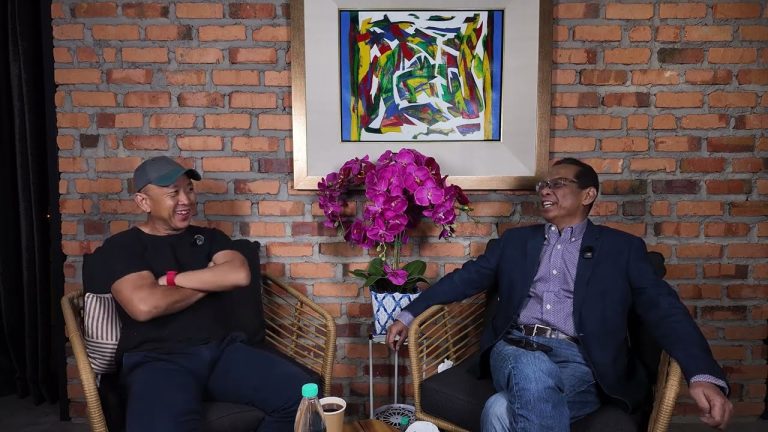
Jump to chapter 8 chapters
- 0:00 RussiaGate and the Hillary Clinton Connection
- 12:20 Institutional Capture and Mainstream Media Narratives
- 26:34 Dogma, Cultural Compliance, and Questioning Authority
- 34:33 Trump Tariff Playbook and the EU Agreement
- 49:01 The Myth of ASEAN Economic Solidarity
- 55:32 Institutionalized Mediocrity and Malaysian Governance
- 1:10:12 Bumiputera Red Lines, Agency, and Self-Accountability
- 1:18:42 Running a Country Like a Blue-Collar Businessman
Auto-generated from YouTube captions. Timestamps link to the video.
Okay, and we are live. Um, so much has happened since the last time we spoke on the Russia gate issue. Now, there seems to be a Hillary connection. Um, I'm sure you've been looking very closely at that, Sam. What's the latest from your viewpoint?
Okay. U since we spoke, actually, I've done a lot more research on it. M um I think um I I think how if you go deeper into it um the first source of uh material that you will find is coming out of Matt Thai. Matt Taibbe uh was the former edi uh uh chief editor I believe at uh the Rolling Stone magazine covering politics and finance.
Yeah. Uh he's somewhat of a Hunter S. Thompson kind of Well, we would like him to be a Hunter S. But uh I think everybody uh who's anybody that has followed uh American journalism would put him and Glenn Greenwall to be one uh two of the premier investigative journalist uh over the last two decades in uh in America.
Yeah. Right. So u he has come up uh in his uh uh uh in his own uh uh substack I think it's called the rocket right uh detailing the
yeah record yeah detailing the uh the the the the Russia gate story um starting with the December mber meeting between uh Brennan uh Brennan Clapper and James Comey.
Right. So you've got the you've got the uh national security uh DNI dep department of national intelligence, you've got head of the FBI in Comey and you've got Brennan which is the CIA director right during the Obama term. And remember this is December 2016 which is when um Donald Trump has already been is already presidentelect that will be sworn in in January 20 uh in January 2021. Okay. So what happened since then is actually there was um uh there was an a report which is uh the intelligence community assessment report
that comes out that basically debunk any Russia collusion. There were attempts of uh Russia but uh to influence the election but it was uh it was deemed to have not been successful. I'm I'm I'm paraphrasing and briefing it for our audience. However, uh out of that actually Obama uh an Obama memo came out instructing that uh the uh the A uh be be relooked again and changed and that's where the cracks were when the uh when Tali Gabbert came out with the press conference uh accusing um the act of treason, right? which is what Brandon then did was insert uh information that
was practically discredited by his own people that they did not want to have in the original report. Now, one of them being uh the steel dossier. The steel dossier is not steel steel. It's a guy by the name uh of steel. He is an ex uh MI5 agent. um he was the one doing investigating uh investigation report. Basically, this is what they call um what they call digging dirt on your opponent, right? So, this guy was paid by the Hillary Clinton campaign to dig dirt on Donald Trump. And within that steel dossier include the story of Trump being videotaped in Moscow uh with prostitutes.
So that particular steel dossier was already discredited. They had no verification whatsoever. Okay. But that was included into the ICA report instead by Brandon. Now that puts a whole spin to it. So you go from and included in there as well is the is Brandon's own um assertion that he was told that um from a Russian source that um Putin aspire for Trump to win the election. This is also not verified by anybody else. So all this basically was fabricated post Obama's instruction. Now that has become a problem. Okay? Because now no longer is the A um what
do you call objective but there is political interference in terms of getting the A then put forward. Now the to put things into more complication before the ICA was even presented to the president it was leaked to Washington Post now and that becomes newsworthy. Here's a here's a twist to that part. a an A document that is not declassified, that is linked, you may be looking at an espionage charge. So that's another felony that may you may be looking at. You are also looking at the probability of a felony to actually implicate a president, impeach him and remove him via the 25th amendment.
So these are the things that I've looked at and at the conclusion of it the issue is very simple. There's a lot of things that has to be investigated. Now to put things in perspective, right? I said this is weird because when Tulsi Gabbert was uh uh running for president for the Democratic nom nomination, who was she against? Hillary Clinton. She was then labeled as a Russian asset by whom? By the Clinton campaign. Don't forget the Clinton campaign was also the one that actually started the birther movement accusing that Barack Obama was not born in the US but was
born in Kenya. That originated from the Hillary Clinton campaign. But let's pull it back and say, hey, Tulsi Gabbert was basically labeled as a Russian asset by the Clinton campaign during the nomination process. one. two, you've got the steel dossier paid, I believe, approximately $14 million to the XMI operative to produce this dossier that actually cast an allegation on Trump being in Moscow that then put him videotape um that can be blackmailed by Putin's regime. Russia again. Okay. Then you've got um the B the Hunter Biden laptop case which is related to um the uh uh when u when uh
Biden was vice president, right? Hunter was basically lobbying on behalf of Ukraine. Now, put all this together, I see Hillary's foot fingerprints all over the place. You must remember that the Democrat party, especially Obama, was very invested in Hillary Clinton becoming president. Nobody gave Donald Trump a chance. Everybody thought Hillary, including myself, everybody thought Hillary was going to be the president. Okay? And I think they went all out. Remember Obama uh paved the way for her to take the senatorship in New York, paved the way for her to be Secretary of State, and now she's
running for the nomination. And now she's running for presidency of the United States. And now she lost. Okay? And we trace back to Russia, Russia, Russia, Russia. Everything ties back to Hillary Clinton. So for our audience, I'm a TV nerd. One of the one of my most uh favorite episode uh TV series is called House of Cards. And one and Robin Wright Pen played um the wife of uh then the speaker and then became the president, Cla Underwood. So I said, "Dude, this is uh Hillary Cla Underwood Clinton all over again. It's just too much coincidence to be um that's too much
coincidence for it to be a coincidence. Let's put it that way. You must have spent the last few days reading all about this." Yeah. And here's the thing. people in the mainstream media. I've watched the mainstream media the last week, right? The mainstream media. The only media talking about this is cable media on Fox and one or two other podcast. But the mainstream media has tried has tried very much not to talk about this case. the same way they tried to not talk about uh the the mental uh the mental equity equity problem of Joe Biden. They completely cover it up
until it it it it blew in their face during the presidential debate. Right? So I'm seeing the same pattern all over again for two years. What we saw was when Donald Trump took office, he was already facing impeachment and hearing on Russia collusion on Russia interference of the 2016 election, right? It practically derailed all almost all his initial uh presidency, right? Never has this ever happened to any president in the history that I know. Secondly, then you've got all the lawfare that was put on him. Basically, all the cases coming out of the Democratic uh
Democratic districts, right? Like the Maralago uh valuation case uh and and loan from the bank. Um the so-cal um alleged defamation of rape. um the uh uh the Stormmy Daniels uh payment which a payment he made to uh um to his lawyer to pay off uh uh Stormmy Daniels uh to shut up about it and that become a campaign finance issue. So the Democrats, you know, was twisting like a pretzel in order to get Trump not to even be able to run. Don't forget another thing. Almost I think 22 or 25 states actually tried to took him off the ballot for the presidency and they failed but they did try. So
everybody was trying not to have him run again. Okay. And not just that when he took over the presidency they were already trying to remove him or put him in a position where he cannot govern. Now here we are today. All right. With the with Tulsi's uh DNI revelation, Matt Thai's report, which is an investigative report, and I saw uh the meet the press on Sunday, right? They devoted 90% of it on the Epstein case. Nothing about this was hardly talked about. Nothing on the mainstream media. You know what is really concerning here is the institutional capture that has become normalized. Y
whether you call it the legal system, whether you call it the arms of justice, whether it's the CIA or the FBI, whether you call the call it the media, there's been a universal uh coallescence of um opinion which says let's go with the side and let's go with not let's not go with that side. And it continues to go until today. What I'm more concerned about is not only the institutional capture that is normalized in the US, but it's also in other parts of the world in developed countries and non-developing and developing.
Well, in our wait, sorry. Yeah, sorry. Go ahead. When you have the media that is able to craft narratives according to the powers that be and then now you got automation and AI where you basically feed in prompts into the system and they can create essentially likenesses of you as if you're talking saying a certain thing that is the really scary part because already opinions are being shaped. We live in Southeast Asia, right? And there's universal disdain for Donald Trump. Universal.
Everybody seems to think he's a complete psycho. But we think he there is a method to tremendous. I understand, right? But narratives have been crafted to make people think a certain way. What about when automation comes? That's what I'm really concerned about.
You know, I think even before we go to automation, let me finish. No, no. Yeah, I agree. Yeah. Just, you know, I know. But let me finish even at this case because even at this case I think you know people has been uh has been bombasted with propaganda over the last decade you know. Oh, way more than that, mate.
Right. Way more than that. Because it is way more about that. But I think uh the leftwing propaganda and Democratleaning propaganda has been uh on steroid ever since uh Trump uh came down the escalator at uh in New York. Right. So, and and it had and when he won, there was every instance to actually bring him down or um or basically ensure his administration fails. That is so clear-cut. the media, the opposition party. I mean, at least if you want to be the loyal opposition, you want to see your government succeed, but point out where they are wrong. But in this case, what
we have is complete opposition to ensure that he fails. And even if it is manufactured for him to fail, so be it. Right? So this is what we are facing. Now when I look at this uh Russia gate situation, I see uh Hillary Clinton's fingerprints all over it. I don't know because uh u I think Obama, as we mentioned earlier, has got uh immunity, right? But I do think that the guy that's going to fall on the sword is going to be Brandon. Okay? because I think he is the middle of it. He's the one who brings up um uh and and and concocted it. Uh and supporting cast will be uh James Clapper
and Comey. Well, the truth of the matter is even though those who are culpable and who ostensibly serve time behind so-called bars, they're not really though. I mean, if they if the powers be decide that these are the ones to take the fall, their fall is going to be with a silk parachute usually, right? Maybe their family members get paid off. They're going to get some kind of like um
not really in America. No, no. Because what will happen is that remember the Asian the the global financial crisis, right? The bankers were the ones responsible for creating this exotic instrument. But nobody even
no banker went to jail. Yes. So he let let me let me put the difference on that right I'll take the difference in let's say Iran Contra the scandal of Iran Contra when Reagan was the president right went off unscathed who took the who took who who took the fall John Pond Dexter and uh Oliver North okay who was actually um uh uh crafting the arms for uh drug deal for the Iran contra scandal. Now in that case basically they're going for perjury towards Congress during the hearings right and that is a very light sentence. So if you look at this case and knowing the uh
the team of Trump and I I think I defy anybody who has been propagandized by by by the mainstream media, I will say this, this Trump team is top-notch. They did not come out with all this without an end goal in mind. I think what we're going to see, I may be wrong, but I'm willing to put a bet that we're going to see a special counsel being appointed and he's going to drag for two years across the and drag everybody Clinton, Obama, Comey, Brandon, everybody. They're going to get be dragged through the coal for the whole two years.
This drag net is uh so familiar even in our little country, right? Yeah. and then administrations come in and then yeah here's the thingh so far in terms of the theories I've heard a lot of people were saying as well in the initial stage of this last week
is but what are they going to get charged with right they say you know perjury okay you get suspended sentence for 6 months or or 18 months right and then is is there a statute of limitation but then now if we get to felony conspiracy to overthrow the president. Okay, you may go and and you can make it stick. That's one felony. The other felony that actually uh was discussed by Matt Taibbei and John Kakau, who is the ex CIA operative, right? He went to jail uh for blowing the whistle on um on the CIA torture. Okay. So, they were talking about it and he came up with something
that struck me which is espionage. Because why? If you leak out to the press or anybody else a classified information that has yet to be declassified, then you're breaking the espionage act. And that, my friend, is a jail term. Okay? So, you're talking about the likes of Snowden.
All right. Does Obama go to jail? I think Obama has got um has got immunity if you ask me not knowing the legal thing. And that's where I'm inclined for me to go to jail. No problem. That is because they are civilians,
right? That is why I sort of like have the the the So, they will take the fall, right? So, you're going to have Brandon take the fall, Kobe take the fall. For sure. Yeah. But the the most important objective out of all this is just not make people pay. All right, for this whole attempt at actually sub subverting the presidency, whether it was Trump or what or whomever moving forward, this is subversion of the presidency because the guy you want to win lost Hillary.
Okay. So, if this special council takes place and I saw your participation on a two-way podcast, right? Yeah. Mark Halpin doesn't like special councils. Uh there's a mixed record where special council hang if we have a council happen right and and essentially America and the rest of the world are dragged through this drama unfold for whether it's one or two years right what is it going to do for America's repetition as this holier than thou big brother bastion of you know freedom and democracy which they the the virtues of which they expound all the time. Look,
you're you're you're rotten from the inside. All the dirty laundry is going to be demonstrated to the rest of the world. I see that. What's it going to do for America's reputation? I I honestly do they know the consequences of doing such a thing?
No, I I see. Do they care? Chong, I see it completely different because as it is right now, the way the mainstream media has been portraying uh the Trump administration and the presidency itself, they have already I would say it is bothering on prisoners. They are already calling up Trump as being the buffoon, the uh uh the idiot, the what the clown, whatever you name it. So the mainstream media has already tarnished the reputation of America. Right? So now what you are having is very simple. All the Trump administration need to do is actually deliver on the economic results, deliver
on their military capability, deliver on uh on peace as much as they can right now. Right now the two biggest problem that they face is still Gaza and Ukraine. Right? they he's managed to actually stamp out quite a few fires. So you've got a very big contrast between Biden administration and what Trump is doing just within the six months and especially if the economic side blooms or gets to a better state for the whole world including for America then what you're seeing is actually maybe then the world sees the mainstream media has been feeding us lies. So this
is the truth of what is happening right? So it's very different to me. It's almost like co right during co what happened? Everybody was told to mask up. Everybody was told that actually if you mask up you will not be getting um you will not be getting infected by co. Everybody was told get the vaccine there. Everything was fine. Lo and behold today we're looking at you know vaccine induced myocarditis. So all this propaganda will just blow up on its own face and I think it's time that the mainstream media is exposed for the lies they have been telling us from
COVID from economics from politics and all their biases are shown to the world. So I'm more inclined to think that I think this is a good development. I think for the first time I think with what is going on let it let it unfold for two years the way COVID unfold for two years and showing up how the medical community and the medical authority had actually made money out of co
I find it so intriguing that the big tycoons buy the biggest media titles. Jackmar bought the South China Morning Post. Jeff Bezos bought the Washington Post. Yeah. Right. Katherine Graeme um of obviously the Washington Post owners, right? Bergkshire Hathaway invested in
well Bezos bought it already. Correct. Yeah. Um but I'm not sure whether Bergkshire still has shares inside. So the you know the the power brokers are the ones that own the media narrative. So the thing is that if you extrapolate one level higher, right? Who owns the robots? Who owns AI? Who owns automation? Those people that own those powers are the ones who get to control the media opinion or the public opinion. you know, as it is already.
The truth is today, the truth is today for the mass people, they're still reading mainstream media. They're still going to the Wall Street Journal, unfortunately. They're still going to the Financial Times. They're still going to the Economist. I know lots of people have an economist subscription.
I think it's a pack of lies, but I'm in the minority. Yeah. No, I I I still you if you read the Guardian, you know, they're still vilifying Donald Trump. Yeah. Not just vilifying Donald Trump. everything everything that is this latest fra with him in Scotland playing golf and then there's short videos of him ostensibly cheating and dropping balls out come on man right it's it's um but you see the thing is right the public have a very strong nose for I think they might read it but do they believe it I I think we have our our sense of has really refined to such a fine instinct that we can
smell crap when we see it yeah I because you know in your heart of hearts There's something fishy going on there. Do you know what I mean? Right. I know. Yeah. It's it's something that actually hopefully um along with our audience, they come along with us and see that as we unpeel the onion, the that has been going on, you know, and and and and it opens up their eyes and say and start asking questions, you know, really obvious questions, right? The why.
The what doesn't matter. It's the why. The why. Yeah. And and and to me, I always start with what, you know, if I see a headline that has a negative, I already I I already have a red flag on. Okay. Just give me the facts, right? You know, okay, so let let me be um very mischievous here, right? The nose for right? There's a direct proportionality between what we read in the media and and let's just say larger themes. For example, faith. Lots of people question, let's not give it a specific name. Let's just say faith in general, right? Books of faith, whatever, whatever they may be,
is riddled with idiosyncrasies and it riddled with inconsistencies. You're going to get me to trouble, are you? I'm not I'm not saying anything to you. I'm just saying that people, right, have been duped for millennia. That's what I'm saying.
Yeah. Right. Until today, billions of people around the world swallow the inconsistencies and still devote their entire lives and livelihoods to something which doesn't make sense. Okay, let's just say for example to be safer ESG for example, right? DEI for example.
Oh, I was going to keep that for the next episode. Well, I don't matter, right? But there's been so many things that have been introduced into the public narrative, right? Which don't make sense but serve the powers that be. Whether it's the climate, whether it's the environment, whether it's DEI, what is a thing called diversity, equality, inclusion, what a lot of Do you know what I mean? Right? And the thing is, it's not as if I'm that much clever than anybody else, right? How is it I can smell my s my smell of is better than the next guy? I I don't know. Maybe I'm just
cynical. Do you know what I mean, right? I I think there are two factors that make a person uh a little bit more cynical than others. Number one, you have to have a characteristics of actually not believing the conventional wisdom of the masses. You uh you are the kind of person that that question uh dogma, okay? That questions um why are people people turning right? Why is everybody turning right? Why should I why what's wrong with turning left?
Right? Just simple things like that and asking that question you you must have that innate uh ability to be cynical right and that then comes the next part which say is actually more difficult which is the
to form an original opinion curiosity. Okay. Most people does not have um the characteristics of being curious. You have to have the curiosity to ask the why, the how, the why especially and um and and keep on questioning the why all the time. Why this? Oh, that, why that? You know, so the cascade because in our society, especially in Asian society, if you ask too many question, it slap you and put you down.
Exactly. Asian mentality is to um be compliant, is to be uh acquiescent, right? Right. We're not meant to question our elders. Oh, right. Even our faiths say, "Shut up. Don't question. Just take it as gospel." That is inherently problematic.
Yeah. I mean, think about it this way. In Islam, um uh you I didn't. Yeah. to even I'm just going to just let people to think this way to
even ask the uh to even um what is that word um to to to even ask the question or have doubt because in order for you to ask question you need to have certain doubt. All right. What must address
that is considered to be um that is considered to actually make you um uh a mut which is it will get you out of of the religion already.
Okay. So you're not even if you're not even allowed to ask or have any semblance of doubt how do you question? So you are already trained to accept thing at faith value. Right? So here we are. The other thing that we like in our society, not just Asian but also western society is if somebody in power or authority or institution tell you a a it is we accept it because ah the authority tells us, oh the paper tells us, oh you know the king tells us, the prime minister tells us. Nobody wants to. Nobody is nobody not just want but nobody dares and nobody feels is their
right to question but it is their right to accept. Yeah. Okay. So may I go back to where we were. Yeah. Let's let's talk about this whole thing with Donald Trump. Right. Let me let me do the link. Let me establish the linkage. Right.
Yesterday I reached out to a friend of mine who's a very respected economist and I said, "Hey, come to this podcast. It's a new podcast. We're going to be discussing geopolitics, international relations, international policy. My co-host is this guy Shamso and he's a former energy CEO, public listed company, started a couple things. He's um he's a proTrump guy and it was the last you I haven't even told you about. I'm doing this on the podcast, right? It was the last four words which which got his hackles raised. He said to me, I'm not getting into a podcast with
a guy who's going to be unapologetically Trump. I'm not going to waste my time with this guy. which made me think to myself, right? This guy's a smart guy. He's got a lot of substance to him, right? But why on face value does he not want to enter a frey with someone who doesn't have an opinion of him? And more to the point, he's a Trump person, which makes me think that overwhelmingly in this part of the world, everybody is against Trump. But if you look at if and I I never used to like Trump, but Trump one especially, you know, him and his braggadocio and his, you know,
blustering style. But then when I analyze it at on second and third levels, right? The disagreement with Trump is a process disagreement. It's how he goes about things. It's a very it's process and style.
It's a style and process disagreement. People don't like his style. But if you look at the results Yeah. right now, if you look on monthly receipts in terms of um tariff collections, it's somewhere around the region of 30 to 35 billion a month. A month, right?
Yeah. You're looking now at about uh more than 100 billion for the first six months. So you're looking at 200 maybe even they're going to reach 300 billion for the year. If you had gone about this whole process like an Asian person would, which is to be consensual, which is to be peaceful, is to be to be amicable, to be respectful,
he wouldn't have gone anywhere, right? But he comes in, he he's firing from both and he says to you, I'm going to give you 150% tariffs, right? People are like shocked. They're like, "What the hell?" Right? And then they settled at 50. So now the blended tariff rate according to I think was it Harvard or or Yale uh policy labor think tank is about 18.2%. And that's that's a great profit margin for Americans. The problem is will producers pass on these costs? They're going to pay 18% at the border, right? Once they bring the stuff in, but then once they're in the market, do they then
pass on these costs to the consumers? Maybe, maybe not, right? But you don't have to buy it. What? Right? Who says you got to buy French wine? Who says you got to buy um Japanese cars? Who says you got to buy BMWs? You don't have to.
Well, just go and buy the American car. It's consumer choice, right? So, shall we segue into our second topic? Yeah. Which is the which is the update on the tariffs. This is what the media said was going to happen on the Trump tariffs.
You can't undo the damage. The Trump slump is upon us now. We're in a car driven by somebody who was blackout drunk. And it's like one of those bad Bugs Bunny cartoons. It's Looney Tunes.
This is not liberation day in America. It's recession day. The greatest manmade economic crisis in modern presidential history and paralyze American businesses large and small, forcing them to lay off people to stop hiring or pause investment decisions. It feels like a cha there's an expression in tech called chaos monkey. Well, this particular chaos monkey is throwing feces all over the planet essentially and saying
Cara switcher who knows nothing. So you saw top Dems's top uh media pundits saying it's doom and gloom. It's economic catastrophe coming our way. Excess or not of the tariffs. Right. Right. So I would like to start out to answer your question by looking at the tariffs agreement for the EU.
Okay. Okay. Which is just uh 48 hours ago. All right. Where you got um the president of the European Union flying down to Abedine shaking hands with a fellow
shaking hand with a fella. Right. And a deal is done. And a lot of critics saying that she right. Yeah. C out to the men. Right. Yeah. Here's the thing with uh the with with uh with EU. Okay, so their starting point was 30%. Okay,
America America's America's tariff were whack on them was 30%. So they ended up with 15%. Okay, so that's a 50% cut from where they start off. Now the EU is say the some of the EU members are saying you know why did you fold at 15% the UK is get getting 10%.
The UK and the US have a special relationship. Well not only that and they're not part of the EU. They are not part of the EU and also they don't have the bureaucracy the non-tariff barriers of the EU that need to be dismantled over time.
We can't even sell our palm oil there. Right. Etc. etc. Right. Exactly. So what happens? So you end up with 15%. Okay, it's hell of a lot better than 30%. Okay, now that's one. Second, you are Johnny come lately. If you had tried to work it out much earlier, for all you know, you may end up with 12.
What did what did Japan get? Uh 15 or 10 or 15 or something? Around around 15%, I believe. Yeah. So Japan's another good buddy of America, right? Not a question. Again, people don't get this. It's not about being good buddy. It's about reciprocity because what people don't see is a lot of country has high non-tariff barriers, right? The EU bureaucracy, their ESG requirement and certification, their ISO requirement and certification, their emission standards for vehicle. All right. their climate requirement for your uh your sustainability requirement all those are non-tariff barriers.
I remember watching Top Gear once long you know Jeremy Clarkson and Richard Hammond right? Richard Hammond is an American in disguise, right? You know, you know, Top Gear, right? So, Richard Hammond loves muscle cars, you know, um, T-Irds and and Mustangs.
They could never buy those cars in the UK. Why? Emissions. Yeah. Right. Too loud, too, too smelly. Right. They couldn't sell those cars in the Europe. So, they But but conversely, you could buy Jaguars, you could buy Alphas, you could buy Maserati and Porsches and BMWs in America, right? That is the example of
zero tariff. Yeah. So, so there you go. Right. So, so when I look at Donald Trump at with a closer lens now, he has done the right Well, I'm not I'm not a Trump apologist, right? But I see the results now. He's trying to get
No, I mean the train synchronicity, right? That's why I said in the last uh there are no American cars in Europe. There's no fair market. The market is not fair. So what I'm saying I think what we are saying is we're on the same page. You're saying look
question everything right don't believe them the hyperbole right and and see it for beyond beyond it for beyond what the headlines are saying beyond what the experts say. I am no means a Trump apologist I think he's a bit of a weirdo right but I look at his results he's he's great television. Okay he's great I'll give the bugger that he's great television. Right.
But look at the results. Well I I look at it this way. I think he's different. I'm not a fanboy. That's the best way for to to describe it. But I understand Trump's mentality and characteristics for very simple reason. Why I understand that characteristics? Because he's different. And I've done my business personally also different. I I'm not your typical Malaysian or Asian businessman, right? I don't go into and if my client is or or or my counterparty is being a jackass, I'll I'll do two things. If I have the if if if I if I don't if if I don't like it, I'll walk away. Even I don't want
his business. I don't care because I know it's going to be a lot of a lot more headache trying to deal with him. If I have the leverage, I'll tell him, "You're a jackass." All right. this is what I'm going to give you. You take it or you leave it. And then know you know why? Because I know my leverage. He'll come and negotiate with me.
So it's the same in the European Union, right? Part of the reason why the European Union took those terms. They had no choice. They buy a lot of arms. In fact, they their security, right? That's the thing, right?
They know they can't alienate America because America protects them. Yeah. If they don't have America's protection, if America don't have their six, they're essentially, right? because the region is at war.
Yeah. No, I mean, look, so part of the deal that America did with the Union, with the European Union, is the sale of weapons, I hate to say it, but it's a geopolitical game. It's not a trade game necessarily where the EU was concerned. It was also a geopolitical game,
right? And part a huge portion of that deal with the European Union was to buy American weapons to protect themselves against the perceived Russian threat. And by the way, America hasn't done a deal with Russia yet. Putin seems to be holding off and this whole soal he fire that apparently him and Putin was supposed to broker hasn't happened yet either.
Well, what has happened now is actually he's uh he's given him a 50-day uh time frame. Now he's bringing it down to what 12 days or something. Yeah. So I think I think going back to the EU um it shows very clearly the function of leverage,
right? It it shows clearly like what you say, I don't have to buy your wine. Yeah, you can buy Californian wine. Great stuff. Yeah, right. Yeah. I don't know why your olive oil I don't have to buy your BMW,
your Lons or your Armani. I don't have to buy. Right. So, Sax Fifth Avenue is just whatever it is, right? you know for that's that's exactly the thing that market of $82,000 $82,000 per capita GDP okay is huge for a 36350 million population okay you cannot just simply say ah okay I'm going to export it to Nigeria I'm going to export excuse me you want to export it to China. You know what is China's GDP per capita? Guess
GNI per capita. GDP is about the same as a US. Yeah. Well, $22 trillion give or take. But who's No, no, I'm talking per capita. GNI, right? So basically somewhere around 25,000 or something, right? 20,000
lower than that. Yeah. Right. Because why? So you you're talking about we're talking about personal consumption level, right? So your consumer is at the personal consumption level. I mean, you've been to America many times. Are they buying European fashion labels? They are, right? They are, right?
Yeah. But they don't have to. And and what is that new one called? Um, so many of them, right? Yeah. I mean, they don't have to, as I said, you know, I find that actually um I mean, a lot of things that people are buying from China, for example, are actually really, unless you're talking about um uh rare earth minerals, right? a lot of
you can't buy anywhere else in the world except from far from China. Well, I think what is going to be very interesting with the defense department taking uh taking stocks into a into a rare earth company. They are going to open up pretty fast. You just watch. The problem with America, they have this land mass. They have a lot. Rare earth is not that rare by the way.
You got to go and dig it. Yeah, you got to go and dig it. But you know you can double and quadruple your production in actually four years. I can tell you you can do it in four years.
Is that why he wants Greenland? I don't know part of the reason why but but actually the problem in America goes back to what regulation environmental regulation for the for the Chinese they don't care.
They don't care. Have you ever have anybody ever seen how a min a rare earth mining uh operation looks like? I haven't. What is it? It's horrible.
Yeah. Yeah. It's like you see this whole uh uh this this this this whole chasm of uh heels being dug out. and all of a sudden you just see um you know uh just earth being taken away.
It's it's environmental degradation right and in Africa the people who are doing you just poor people and they don't care about the um about the environment or they don't care about the welfare it doesn't matter. So when you guys think, oh yeah, you know, we we we have our expensive uh you know, sleek uh headphones and uh
from home in China, you know, it it comes from the sweat of the the the of of practically slave labor, guys. All right. When you drive your Teslas and your BYDs and you are going toy saying that h you know, I am green for the environment. Holy you guys are actually have actually what do you call um engaging slave labor
let's not even talk about EVs let's talk about those diamonds that you bought those diamonds from debeers right 82% of the global market captivated by dbeers do you know where those diamonds come from oh that market is going to collapse
oh for sure you know why cuz they've already got manufactured diamonds that um the v that that looks even better than the real diamonds flawless. Yeah. So I mean going back to I must go back to EU. I must go back to EU. I think
um EU shows us very clearly where the leverage lies. Um and therefore actually if you ask me um what do you call the next step is I think Canada is a very interesting situation because Canada has really not folded. So they I think what's going to happen is they're going to get slapped with their uh with their tariffs and then it's a question of who's going to who's going to blink because because really um the Canadians can't really swing their exports anywhere else and for 77% of the exports are going to America and you're going to say um what ask Mexico to buy it? Give me a break.
So I think that's going to be an interesting lesson for everybody in terms of economics. You know what it is about economics that I find very amusing. Um if you go to mainstream media, right, whether it be here or uh in Malaysia or in Asia um or or in America or the west the western uh media, here's what I find interesting about when they talk about economics. There are two kinds of people that they come that come to the uh news media uh to be experts. They are either um theoretical economist that has done in their life uh but actually stay in uh in the ivory tower of academia. Okay. or
they are basically Wall Street people who actually shuffle papers and then uh make make money from equity uh and talk about interest rates, talk about bond market, talk about uh the stock market up and rise and financial instruments. None of those two groups of so-called expert has ever sold a single brick in their bloody life. Okay. I thought
you about to swear right. I know. All right. None of them. Okay. So, with all due apology, uh I have no respect for either either class because why? They've never done any business really. All right. I would rather listen to uh the machi selling pisangoring at Tamanton because she can tell me the supply and demand situation um uh between 3:00 and 5:00. You know, she knows better. She knows better where to get her her her her bananas and she know better the best time for her to actually sell it and also what kind of inflation inflation inflationary pressure she gets with the
cost of uh uh cooking oil and uh and flour. What does Azan do? I mean we talk about a lot of things but we but the main question is what does it mean for all of us?
Yeah. What does Azan do? We all know what Azan, what does how does Southeast Asia? Because there will come a point in time we got to make a choice. Right now, we are kind of like the village bicycle, right? We go with anybody and everybody. We have no choice. Too fragmented, too small. Better as a bunch rather than as an individual.
There's not going to be a bunch. I'm I'm I'm sorry. I'm being very realistic. You see, it's been slow. It's been You can't off the mark. You can't. I mean, you're selling the same thing I'm selling, right? Vietnam is selling t-shirt. I'm selling t-shirt. Let's put it this way as as a simple example.
All right. Vietnam selling t-shirt. I'm selling t-shirt. Thailand selling t-shirt. Okay. Malaysia selling uh palm oil. Indonesia selling palm oil. All right. You think I'm going to work with you and get uh together our customers? No. No way. I'm going to go and provide the best quality, the best price I can get to get the most of the customers out there in the world. So, I'm competing against you. What assan solidarity are you talking about? All right. It ain't going to happen. Okay. So it's a market that because we all sell the same thing, you know, we all sell the same thing.
So how do you That's where I always say you do. So down that path lies colon uh colonization. It's not about colonization. No, because if you can't work as a collective, you got to be standing alone. You got to be competing with each other. And in-house competition, right? In-house drive breeds weakness. And when you're weak,
Singapore, you think Singapore needs you? No. No. I'm not saying look, if if we are trying to if Southeast Asia is trying to work as a block against the rest of the world, right? But you've got powers like the US and China who are obviously got so much leverage, right? I'm just wondering what it means for all of us. What does it mean for the economy? What does it mean for jobs? What does it mean for livelihoods, living standards and all that? Let
tell you what it means. So down the line, I'm not talking about next year. I'm talking about a three, five, nine years. Let me tell you what it means. It means that each country there are two things that can happen that will that must happen that must happen for the for each country. Each country must evolve to be more efficient. Okay. Than the other country. It is a dog world. I am sorry. Okay. So we are different governments. We have different form of governments. We have different political persons and political parties and political systems that govern each country.
Different cultures as well. Correct. It's almost like you are asking me, oh uh why don't we go and uh we need houses uh in uh in Mont Kara. Yeah. Right. We need houses in Mont. Uh why don't all of us u uh people who want to buy houses band together and then we go and negotiate. It ain't going to happen, right? Cuz you got your own priority. You got your own needs. You got your own concerns. All right? Your income is different. How you get your income is different. We can have an association of buyers of property in Mont Kara. It ain't going to happen.
So what does it all mean then? It all what it means is very simple. It is already is what it is. We can see why is Singapore having a per capita GDP of in excess if I'm not mistaken about 40,000 US. No no no no. Can I'm talking about per capita GDP.
GNI GNI. Um GNI I tend to look at GNI is the benchmark, right? I I tend to look at GDP per capita. as an easy way reference, right? And I think I think because I know US is about 80 82,000 uh Malaysia is about 12,000. But lo and behold, you look at Singapore GDP, right? For that small dot. Uh here's it. Uh
where's Jamie when he need I know this is what you call um uh GDP per capita. Uh Singapore is 84,000 USD in 2023. Higher now.
H higher now. Yeah. Um I hope this is not uh PPP. Yeah, that's not because I hate PPP. Um so uh that's probably nominal, right?
Yeah. Hold on. Uh Malaysia is about what is wrong with this uh AI? Malaysia is about 12,000 and uh 12,000 and a half u so look at how the disparate it is and they don't even have um mineral resources. They don't even have natural resources. So it's all about efficiency. It's all about uh
well you know if you look at the Kang Valley by itself, right? Right. The client valley GDP per capita is very similar to Singapore because that's the size of Singapore, right? It's not very big.
Yeah. I mean, but but I mean contextualize everything, right? The perspective is important because Singapore's land mass is tiny. The producing geography is tiny. If you look at this just a Singapore, just the Clang Valley GDP per capita or GNI per capita is crazy high. But that doesn't matter. What the point you're trying to make is that everybody gets got to get faster, better, and more efficient. I understand.
Correct. I understand. Right. Do we have the policy makers to push that through? I don't know. Uh I I I I want to bring the sad news. I I don't want to be the bearer of bad news, right? Yeah.
You know, I mean, you know, I've given up reading the local talk about mainstream media, right? I've given up reading the local media years already cuz every time I open the media, it's about this trying to overthrow that right? And it's the same from 40 years ago. I mean, hell, man. Grow a pair of balls, right? And retire and die. Do you know what I mean, right? I hate these
Well, let's put in charge. No, the the the we have a systemic issue. Okay. We have uh we have we have institutionalized it's called gerontology. No, that's let me put it this won't
go away. We have institutionalized uh inefficiency. We have institutionalized corruption. We have institutionalized um mediocrity unfortunately and this is the worst. This is what has happened in almost all developing country.
You know SPM right? those that form five exams right passing mark for bahasa Malay right it's 40% passing mark ask yourself what is the passing mark for science and math knows 30 25 I don't know
there you go so so if if if the developing world does not get its act together it's nobody's fault but theirs how can you blame other people for colonizing you if you yourself are actually screwing your own self, your own people in order for you to get rich. Your small 1% strata is getting rich at the expense of your 99% of people.
But that's capitalism. No, no, it's not. It's capitalism. No, it's not. Because you work harder, you take more risk. It's not about working harder, buddy. It's about when you create a system where actually you're rent seeking. That's not capital. Nothing is not capitalism.
I understand. But in Malaysia, if you do the right things, you can still get rich. That's my point. You can be rich anywhere in the world. For those people that are trying to wrong to to write the disproportionate I hate to say this, but I do think
the ratios and quotas. Well, let's put it this way. Doesn't work. If the way I work and the way I do things, if I were in US, I'll probably be a billionaire. We'll never know that though, would we? Yeah, I know for sure. Guaranteed. I'm that confident.
Maybe you should go there. Yeah, I'm too old for that. But that's the problem. You put in the neural systematically systemically we have institutionalized over 40 years mediocrity, right? Whereas
that's what I agree with. Whereas Lie Kuwanu start out very correct. The first thing he did when he had Singapore as a nation is to have the language of instruction to be English. He could have easily said we are Chinese majority country why we should have mandarin why didn't he? So all this thing I urge our audience to really understand it's not that when there are also Americans that say oh we are we are doing bad on our trading partner dude your trading partner is doing bad on you and doing bad on their own people okay you deserve what you get in life okay so to to summarize
First key takeaway, question everything. The why is more important than the what. Second key takeaway, what? Second take takeaway is Zeke when other people zack.
Take the road less travel. Robert Frost. Okay. Yeah. Look at things between the line, right? I mean, we've seen that already. I hope that actually uh we I we I've laid out this DNI case from Tulsi Gabbert and the Russia gate so that people see oh maybe there's more to it than I've been told and then let's say see it unspool what I love about what we're doing Chang is that I think we are going ahead we we are we are ahead of the news cycle we are basically making projection we made the projection on the tariffs as well we are saying that Trump is going to mostly win. Now we
anticipate that China is going to be quite difficult but the difficulty of China is going to be more than actually who holds what power. They have a strategic power on mineral but they also have a strategic weakness when it comes to their over capacity in terms of their export you know. So I want to I I want to have that discussion uh on Friday. On Friday we going to have the discussion with the China expert.
Yeah. Fu right. And in that in that discussion, I want to have a very open discussion in terms of what exactly is h going on in China because in my opinion and I may be wrong here and I want to hear her her her ideas and her thoughts and and and her knowledge because I am wondering um what are the situation in China? Why do they have uh an overbuilding problem? How does that impact their their credit uh situation over there? You know, um is their debt situation really manageable? Um is there is their uh employment situation really what is told because everything that is coming out of China
is filtered through the CCP data machine. So, but the the reality that I see is that maybe it's not about leverage at all at the moment. It's whether really does uh America can get what it wants because of China's own problems. You know, I saw Scott Besson uh being interviewed two days ago and he used this word. He said China need to be rebalancing their um their economy in a sense that they are they they are they they're basically 30% of global manufacturing and that is not sustainable. number one. Secondly, he mentioned that um China need to be more of a consumer society.
And I almost want to tell Scott Besson, you know, I I tried to get myself into the TV and said, Scott, are you trying to be um sarcastic or are you being delusional? because um you cannot have a society where it's dependent on GDP metric in order for the ruling party to get their pro the ruling party personnel to actually move up the chain of command. Um whilst uh your people are churning out products at the cheapest uh they can do because why? unique cost uni unique cost value. So the cheaper they do it, the cheaper they are paid, the better off they are. Now the question then becomes
come to the demographic side. Do they really have the population that are actually going to consume? So I don't think Scott is Scott Besson is going to get what he wants even if he use whatever uh incentives whether it be uh whether it be uh by strongarmming uh the Chinese Communist Party. I don't think so. I don't think they're going to get the result they want.
You get you get what I mean or not? Let's see what Free says because obviously um the problem is we don't have the Chinese point of view. Yeah. So, we're going to wait for Friday for the Chinese point of view. Yeah. We're we're listening to Americans on the American podcast talking about the American point of view. Even what we know is a narrative that is third hand at best. Right. At best. Right.
Yeah. I haven't seen I haven't heard anyone from China go on YouTube and talk about their position where the trade talks are concerned, where the tariff talks are concerned. That's the problem because China is opaque.
Well, you know, you know, Jack Jackmar talked too much and then he disappeared. Yeah. It's different styles, right? It's different styles. So, so America is all about being in your face, bluster, braggadocu.
Not just that, you can hear one party say uh uh one thing uh you know, and then the other party is going to go 180 degrees. It's a circus, right? China on the other hand is this is this is this impossible wall. You just see a facade and then the glass
and you're expected to accept whatever that comes out of the it's is it's is diametrically opposed different styles and we don't know the Chinese point of view. We don't know we don't know a lot of things because what they feed the world is is as you say filtered right the numbers have never been believable. You you know what I find very interesting which I don't want to bring up uh on Friday
this whole succession thing you talked about in fighting I don't know it could be I mean remember there was a jao and line then jaw was gone right do you remember right so there's a lot of questions well wait there is there is one thing that I find very interesting during my research in terms of the historical uh evolution of uh of of Chinese society coming from the dynasties to the CCP. Um, it's very much uh what they called um it's a very weak society with a very strong government. You know, the society has got no um the society actually has got no power.
When I was in um Lugu, which is the lake in northern China, very near the Tibetan border, right? Um, one of my group had left her wallet and her jacket. Her jacket was actually Canadian Goose, very expensive brand, right? Left it on the park bench. We were gone for about 45 minutes.
Wallet, credit cards, cash. Came back still there. Do you know why? Everybody in China is obedient. There's the police presence are everywhere. There's cameras everywhere. Nobody steps out of line.
So what you're saying is it true? Probably. In America, the thing is gone in the flash. Boom. Gone. Not true as well because there's a funny thing. Unless you go to the wrong side of town. Yeah, bro. Of course. Right.
But universal. I've been to Beijing and Habin in the east. I've been to uh Yunan and Tibet in the in the west. There was a universality of of of acquiescence with Big Brother.
And there's cameras everywhere. Everywhere. Bro, I I I find police presence everywhere. Military presence everywhere. every state border you cross there's barriers there's border controls there's guards that's why to that sometimes to that extent you remember when we
we used to joke right when uh Singapore drivers come to Malaysia they drive like they're yeah like they're free right yes so there's a very different dynamics going on
but Singapore is successful yeah but they're very um but you know it's very interesting I think I mean when I look at Um I look at to a certain extent we never find people for Q cutting right
we don't have rules like that I remember when I was in my 70s uh sorry in in the 70s uh um when cutting uh from from Batworth to Pinang taking the ferry was a mess.
Okay. But by the time I come home uh in the 80s, everything was so organized and there was no need for actually enforcement by a fines. So there are different ways that you skin a cat and you get a different type of society. I find that actually if you ask me Malaysian society I admire I really admire our Malaysian society from the point of view of on average of course there are places where you find uh uh you know um uh aberration but in general our society are more polite. our society are more giving and
forgiving and giving and and charitable and actually very helpful right um uh we don't have fights on airplanes like two days ago I saw the flight from uh the the viral clip from uh KL to Changdu
I saw that yeah we don't have that it's just unbecoming you know So there are something to be said about how a culture evolves. Sometimes when you impose uh authority, you actually are not changing the culture. You're changing people's behavior by uh by punishment. And actually they do not change the the day the the punishment is not looking at them they revert back to norm you know so I think uh we yeah we we we sort of like going all over the place today right but that's wness our awareness day
it's okay yeah so I think I think people tune in for your huh just being people tune in for the for the and the thoughts and for this and that mainly that right. Yeah. But the the the thing that I find uh you know going back to your question about what how does it affect us? I think sometimes um we need punishment. We need to have the we need to have punishment in the sense that that that the conditions are such that the people will have to make the change themselves. I mean if Singapore can get 10%, Singapore is only baseline 10%. Yeah.
Okay. Why? Ever asked that? Why? Right. Why does uh Indonesia get uh what did Indonesia get by the way? I forgot. Um Indonesia is lower than us. I think that's for sure.
Malaysia hasn't done anything yet, right? Yeah. Malaysia got up got higher. No. Have we settled? We haven't yet. Right. What is that? 25%. Malaysia is 25%. Confirm. Confirm.
Okay. Via a letter. And it's very simple. There are two red lines according to them apparently. One is the bumra policy. Second is actually the halal certification.
Yeah. All right. So those are the two that were brought up that were mentioned. Okay. Don't even talk. We mentioned the other day. What about the monopolies? Okay. So, so the thing then becomes what are we willing to sacrifice? Are we willing to sacrifice our people or are we willing to sacrifice our cronies? Right? So, the same goes to Indonesia. And I think Indonesia decided that okay, I got to get my micronies to actually bend a little. I'll give it away so that my whole economy doesn't collapse, you know. So these are the things that instead of blaming others and this is
the and this is the bloody thing I hate the most. You know, I hate the most when and when individuals or society or people blame others for their own problem. Okay? You are the determinant of your own future.
Yeah. Right. If you are lazy to go and study what to do when you are older, you have to work harder. You know, if you work harder when you are young, you learn more when you are young. When you are older, you have a podcast like this around and, you know, just talk like whatever you want to talk about.
It's agency, right? And it's also self honesty. I think it's not just individuals who are not sufficiently self-honest. Countries are not self-honest. Yeah. If you ask Malaysia, what's your problem? They will not point to these things. Yeah. They'll say, "Oh, it's because they they're the one being, you know,
what about your system? You're not self honest." Yeah. But it's like um if you don't admit your flaws, you cannot correct your flaws. It's a two-step process. Correct. Yeah, I mean I would say I mean I I want to let's let's veer it a bit, you know, uh to to be honest. I I would like for our local audience look at the Malays and I'll tell you how the blacks black community is you know and I'm being very general because because not everybody is like that
but when you look at the black the the today's black culture right you're looking at the hip-hop culture you're looking at girls you know uh uh what do you call I mean uh hip-hop videos with uh you know, half naked girls, you know, I mean, um, bouncing their butt around, right? And
twerking. Twerking. Twerking. Yeah. Yeah. See, I'm so old. I don't even know what that, you know, and and and and all these hip-hop guys going there with their money like that, right? It's a very materialistic culture. Shortcuts. Who are their role models? Are you? And then the next thing you hear is, "Oh, the white people are the one that are suppressing us." Hello, try looking in the mirror, please. You know, I remember the days when I was uh uh in the 80s or even in the 70s. Look at how the blacks dress. They were in suits. They have their own shops. They have their own finance system,
right? And when you hear black music, what are you look hearing? You're listening to Mottown, Marvin Gay, Otis Reading, right? Before that, Charlie Parker, stuff like that. It's amazing. Brilliant music.
Amazing. Right. Today, what are you hearing? A bunch of nonsense. People yaking, yeping. I don't know even what the hell they're talking about. You're showing your age, bro. Generation. No, I'm not showing my And the problem is our own people are emulating that as if that's a great thing.
Yeah. just because it's supposed to be pop culture. Hey guys, you're just aping idiots being idiots. So, key takeaway number four, have agency. Yeah. Take accountability for yourself and your country
and recognize your flaws. Right. It's it's hard for me to say, you know, because all of us have flaws, right? But the key thing is to first understand the flaw. Yep. One before one can work on the floor. It's the same thing with anybody else, right? Y.
So, so then when we're trying to vilify Trump and all his his methodologies, you got to understand the landscape before that whole thing came about in the first place, right? I think that that's the key thing. Yeah. I mean, I see I I see um I I see videos of how um
I see videos of Trump in the 70s. He was saying exactly the same things already. He didn't change. He hasn't changed. Yeah. So in terms of consistency, he was an Oprah Winfrey in the 80s saying, "Oh, we need to look at tariffs because we, you know, we've opened the the the free trade is the be all and end all." That's the bipartisan view. Everybody thinks that global free trade where barriers are on is the answer. You know what? It's not necessarily.
People were listening to him. They were. They were not. They were listening to him. They were right. Yeah. But and and now when he he's running on it, all of a sudden he's the devil.
Yeah. You know, like it's the same thing when when people don't have the ability to look beyond the superficial, right? Sometimes I talk about Bitcoin and people say, "Oh, Bitcoin is a scam, right?" And then I say, "But but how much do you know about Bitcoin?"
I said, "How much reading have you done?" I haven't done any reading. So, but why do you think it's a scam? They can't tell me. People say Donald Trump is a I say, "Yeah, okay. But why do you think it's what what how much do you know about about him?
They can't tell me even journalists, right? It's it's lazy. It's intellectual laziness. Yeah. And that's a problem. Not just intellectual journalists. Sorry, not just intellectual laziness. It's also actually uh um uh 50% if not more of that is um is is is already uh uh encaptured uh mindset. Mhm.
So they've already made up their mind. Subtle thinking. Yeah. So they are not even willing to actually think about something different. Yeah. Because if you already label a certain uh philosophy, ideology as evil,
you're not going to look at it, right? You It's hatred. Hatred um you know, as um as Yoda says, hatred um brings anger. You know, No, you got to do the whole first Adrian.
You know, I I forgot that was one of my favorite my one of my favorite line in you have young Jedi. Yeah, much anger. Much anger you have young Skywalker.
That is why Yoda says, you know, um uh do not try do do So you know what is is uh so if you look at it the tariffs I think all in all let's go to another part of the tariff which is inflation right which is inflation you look at inflationary numbers it's not going up as as much as they say it's going up look at the video clip of uh of uh of of what was predicted,
right? Just just see it. Okay. So, you see, you know, everybody was screaming the sky is going to fall. We're going to see recession. Where is that? That's those are the experts, you know. But here's the thing.
Are we experts? I'm not an expert. So, people don't have to listen to us. No, they don't have to. All you're listening is a perspective. Yes. An opinion. You can take it. you can live it. But the perspective that we are bringing is decades of being a bluecollar business person who has to negotiate with contractors, who has to negotiate with suppliers, who has to buy in bulk and buy in small terms, who has to go cross oceans to sell and negotiate, right? And we see the differences in terms of micro and macro effect on our businesses. It works the same. You scale it out. It's called a country,
you know. Yeah. So, yeah, you know, I mean, I've had to swallow. I go and negotiate if I have let me let me give you guys an example, right? Oil and gas. All right. Uh I had a fleet of ships in those days, right? you personally
well my company okay had a fleet of sheep like like Aristotle right you know I'll give a price to patronize you know and if they don't want it if they think that I should compete with everybody else
uh at a certain price I can tell you the difference with me and my competitor at that particular time in the early 2000 was that I got market in Indonesia. I got market in Thailand. I got market in uh Vietnam. I got market in Myanmar. And I also got market in Mozambique. At which case I said, "Okay, I'm sending my my ship to Vietnam, right? You can take the other ships. It doesn't matter." Right? Pay payuts. I don't care. All right? Now I also build up a brand whereby if you take my ship my ship of good quality very well-maintained run by very professionally I don't cut corners so my
price is maybe 10% to 20% premium dude take it or leave it okay come the time when the oil price goes down to hell right and all the market shrink I don't have that leverage anymore
right so the whole dynamics is different okay so everything is moving it's all a moving part so when you see Donald Trump doing his um uh his managing of as a CEO of America what you guys are watching is not a politician you are watching a businessman run a country, right? And the businessman does not have a deadline because as far as he's concerned, I'll get the best deal at the right time. It's easy see man when you have that kind of attitude and that's why I believe that businessmen real businessmen are the ones best to run a country because why I when my business is is
great one of the things I will do as a businessman is to actually make sure that my employees are paid very well why because when they are paid well they're going to work harder Okay. And they see that there is a return to their efforts. Okay. But if I am a lousy businessman aka politician, what I will do is actually bring the most mediocre people around me and actually give my people crumbs because why? I don't really care how much the money the the the company makes. I would rather actually um stuff my pocket with a with a with a fat salary and uh enjoy my life. Why the
hell do I care about what you guys are making? Do you guys know what I mean or not? That's the difference between a businessman and a politician. And with that, I would like to rest my case.
Reips on Twitter. Um okay. So, Friday we've got three China, right? Uh we're going to get the Chinese or at least a China watches point of view, right? Right. Cuz it's one thing to look from the outside, it's another to look from the inside.
And I would like to see that the conversation is about policy rather than about personality. Yeah. Yeah. because I'm very interested to look at um what what are the policy implication of what the Trump administration is doing visav China uh CCP uh leadership is is doing. I'm also interested in the socioeconomic dynamics that is happening in China visav the rest of the world and that includes Malaysia, that includes the EU, that includes the rest of the world including South America and Africa.
Okay. Because everything is interconnected in this world. That's right. Right. Okay. Try and tune in if you can. Uh otherwise uh we'll see you in real life. Like and subscribe.
Right. Oh yes. 97% of people who watch this video uh or this channel are not subscribers yet. Sh. Yeah. Please help us to get that number down from 97% to zero.
Yep. Okay. Thank you.